Business on the Edge

I have officially returned form my trip to the Dry Zone in central Myanmar. The region was called Pokokku. This was an absolutely incredible experience. I have never been so far off grid. One of the villages was over 2 hours (one way) via motorbike (I rode on the back).

Some members of our crew:

DSC08552

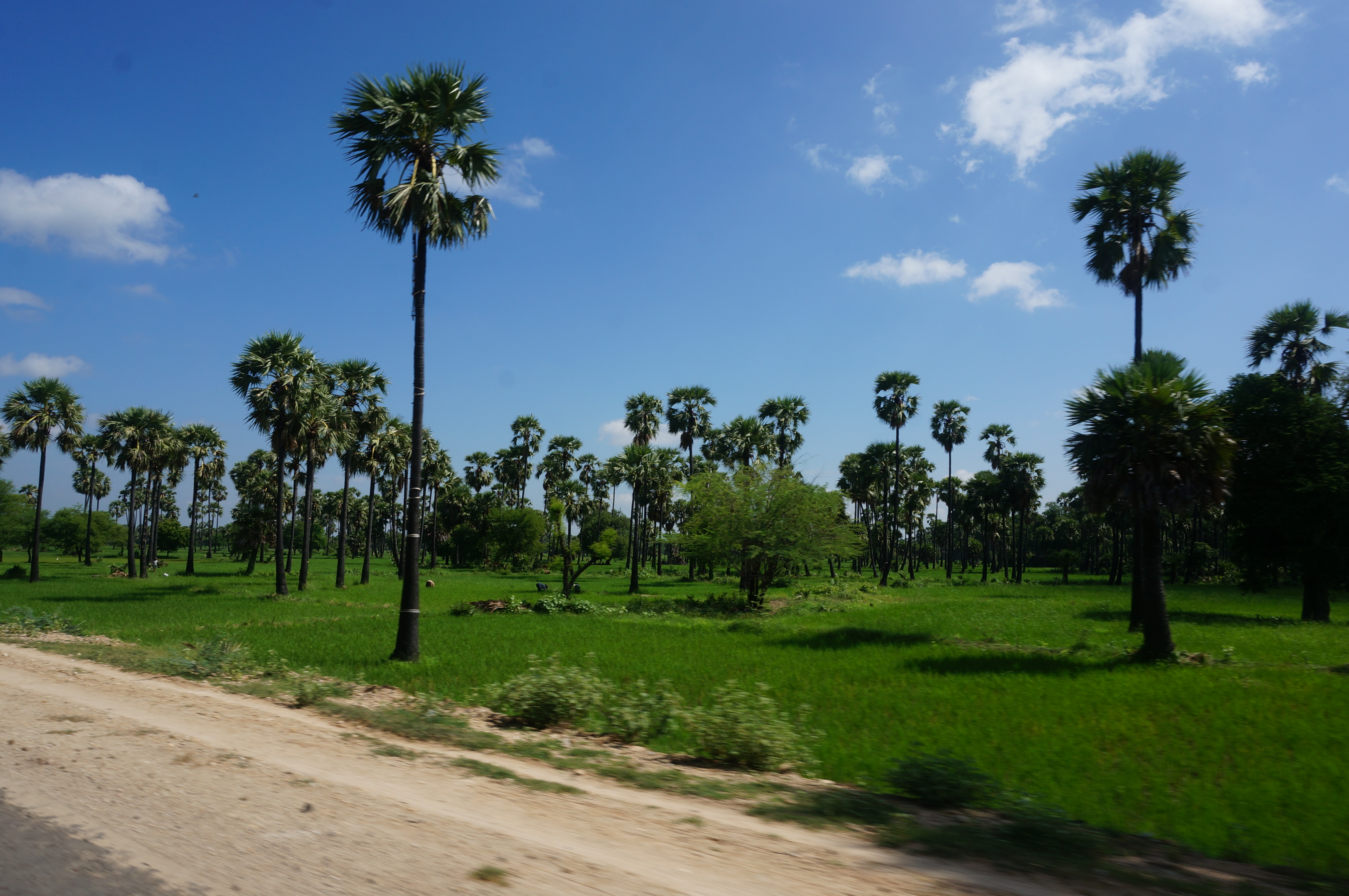
Countryside (a more green area of the Dry Zone):

DSC08568

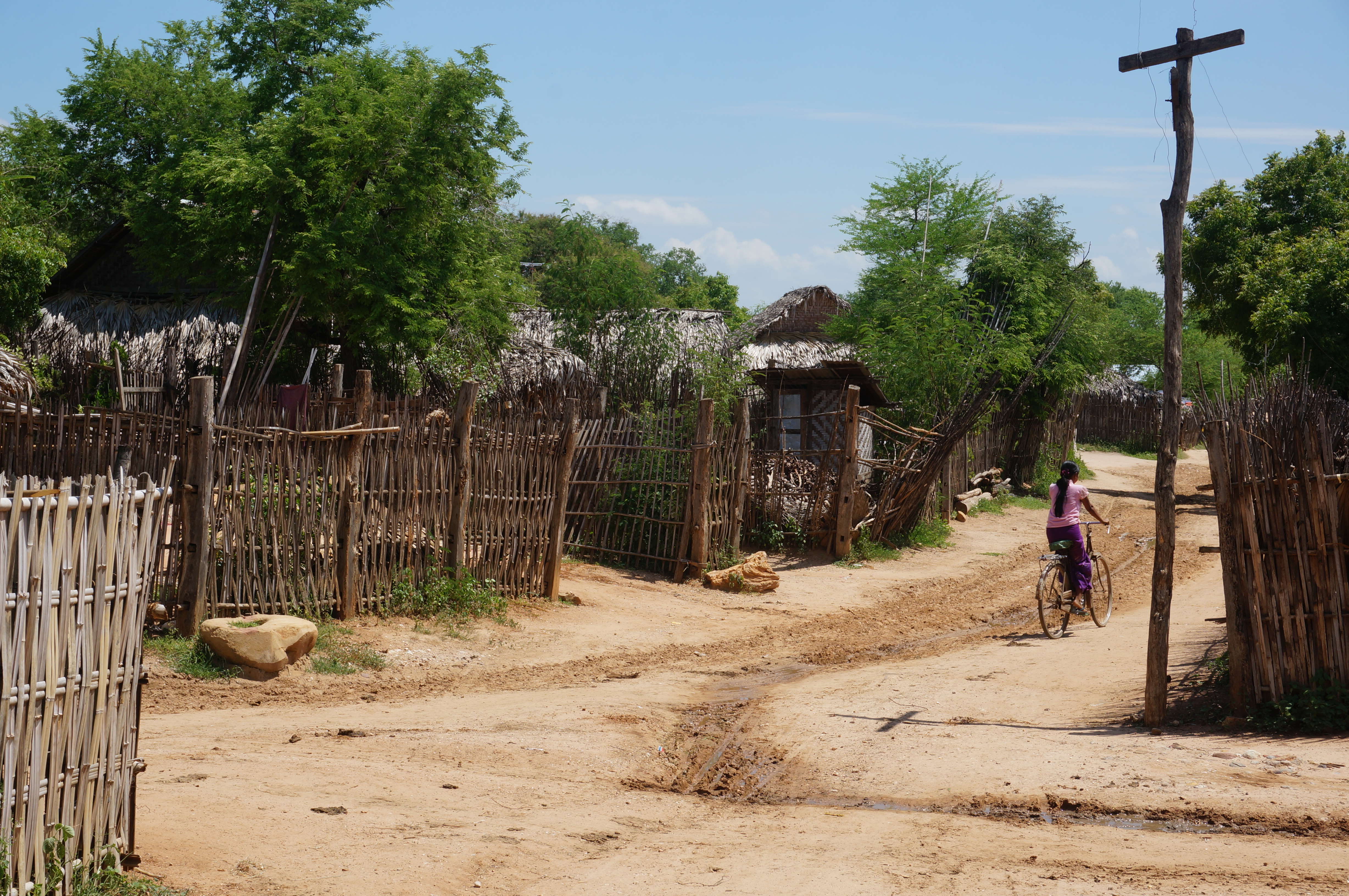
Thar Bone Village (~1.5 hours NE of Pokokku via motorbike):

DSC08582


The goal of our trip was to speak with villagers about rural electricity and better understand their electricity needs/desires.

Here’s someone who was the leader of a village we visited:

DSC08575


There is actually surprisingly high penetration of cheap Chinese solar panels in rural areas:

DSC08734


Here is one of the d.light solar-powered lights that we sell (those sticks are incense that the family makes):

DSC08588


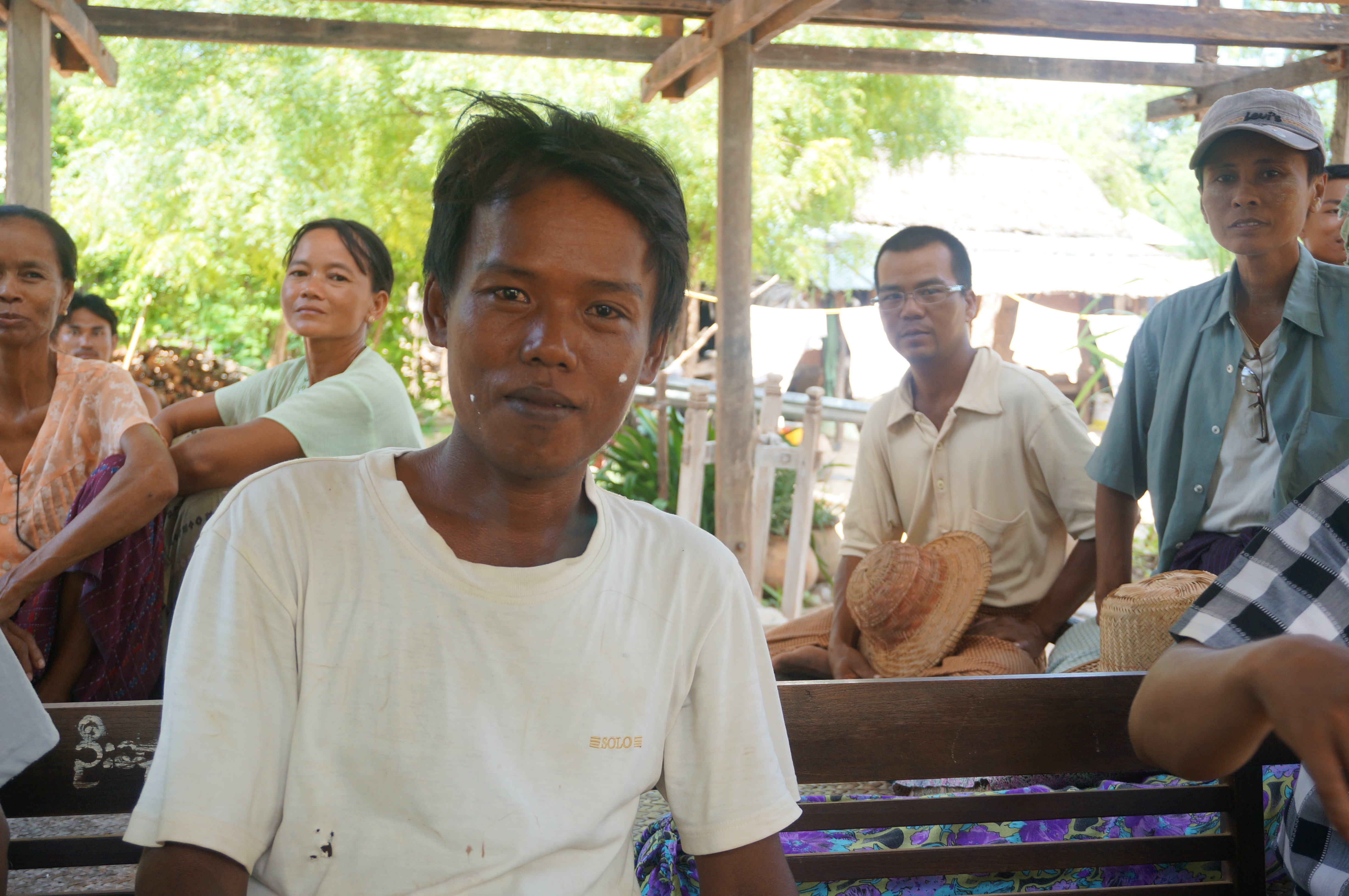
Here I am with a group of villagers in one of their houses. There was quite a group — all very nice. Some quite surprised to see me there. I was told that I was the first foreigner to ask questions to the villagers directly:

DSC08796


This was another person we spoke with, and an ad hoc townhall-style gathering that formed around our interview:

DSC08803

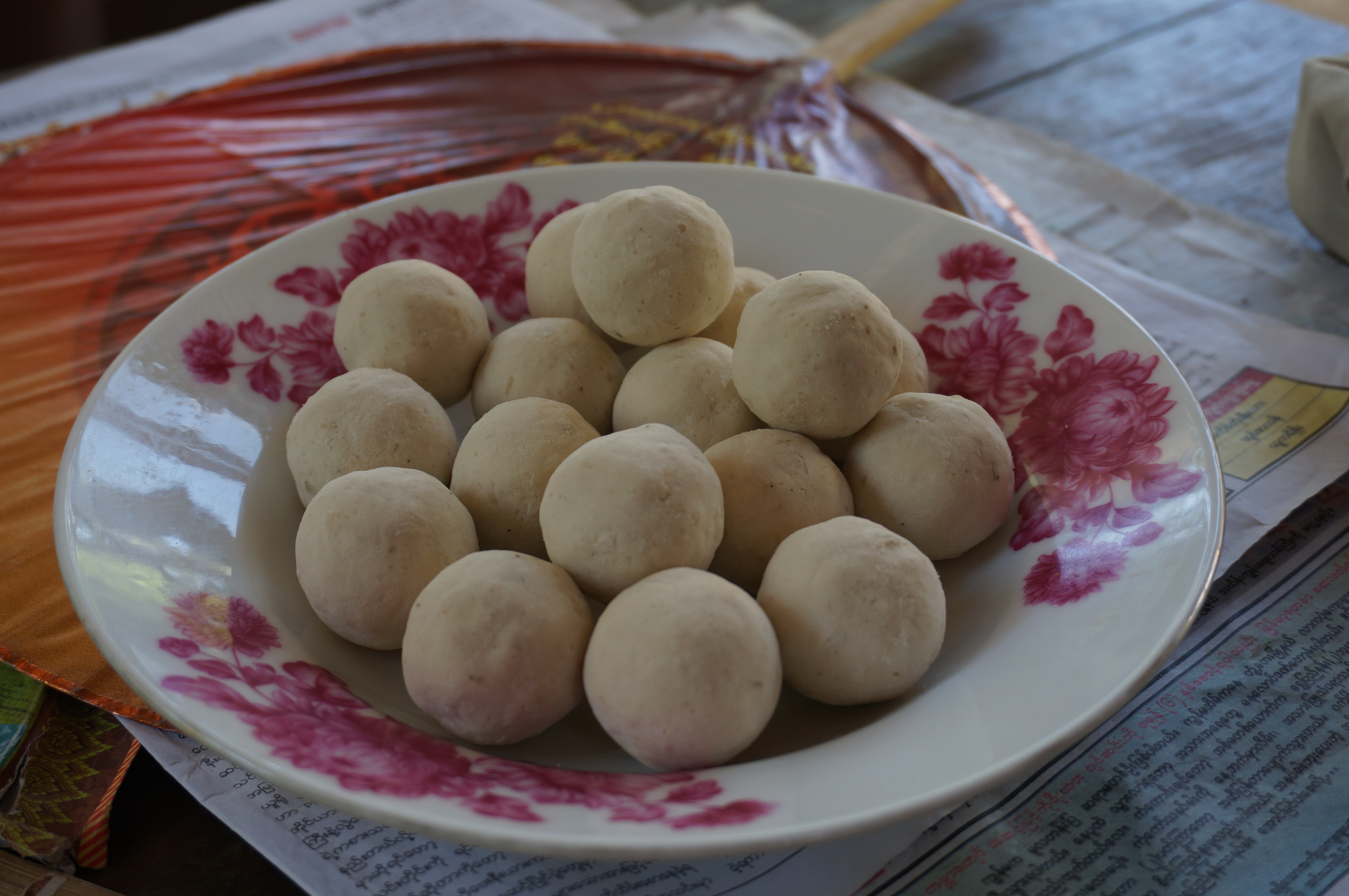
Some of the people here harvest palm sugar. These are probably the freshest palm sugar treats I will ever eat in my life:

DSC08805

I was blessed to have had the opportunity to travel to these villages and meet the people there. In the moment I was focused in on the task at hand, but reflecting back it is almost surreal that I had traveled to these areas and met the people there.

Yangon Housing Primer

[FYI: See “Housing” page under “Info for Visitors” section for more images]

So it’s been a while since I’ve talked about housing. Some of you have probably wondered what my plan are on that front, and others have asked for help navigating the housing market. Having just gone through the process, I can share some thoughts (please keep in mind that this is just a few data points from my experience and should be used as just one reference point).

Units: Mostly two-bedrooms or larger. Be prepared to find limited supply of one-bedrooms or studio apartments. I only saw one (on Yaw Min Gyi), and it was a pretty beat-up sublet.

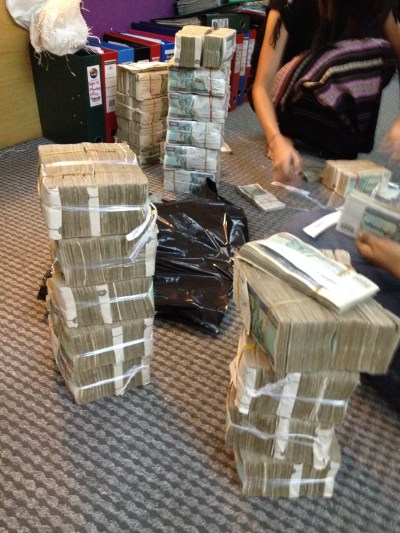
Timeframe and Payment: One year is standard. Six months is a stretch and limits your options. Full-term payments are required on day one (there aren’t credit checks). That means you need to have thousands of dollars in Kyat (Burmese currency) on you at the point of transaction.

Seeing bricks of cash in transactions is not uncommon in Yangon (note: this picture is not from an apartment transaction, and I’m not sure exactly how much money this is, but the bills are probably 1,000 kyat each, or about $1):
IMG_3286

Pricing Trend: Skyrocketing. Demand is massive, particularly in Bahan/Yankin from what I’ve seen. I’ve heard prices are going up substantially.

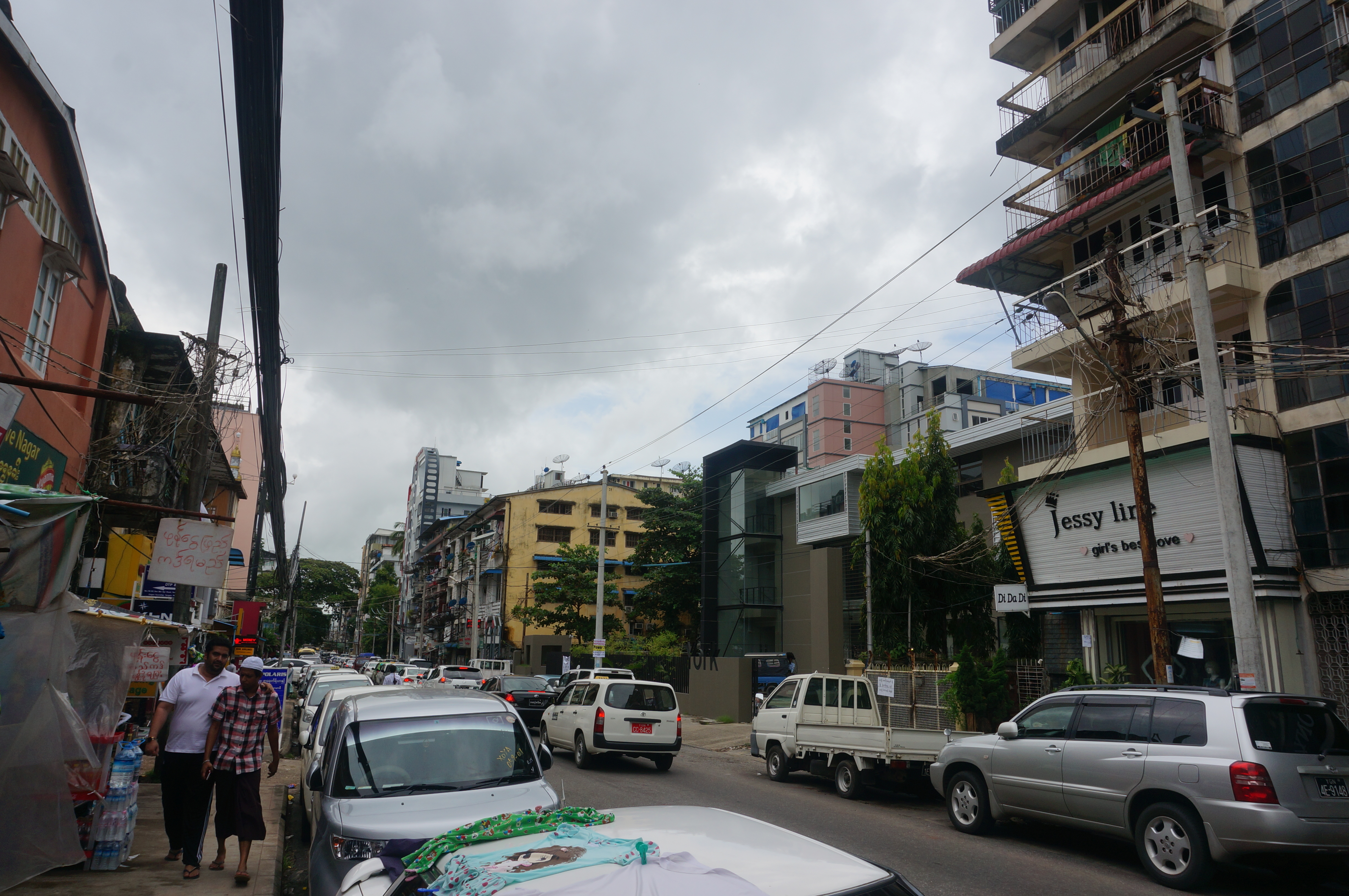
Popular Areas & Prices: Expat central is a street called Yaw Min Gyi. It’s just above the downtown area. This is where chic cafes, restaurants, and shops have been popping up. It’s a pretty small street with a lot of traffic (apparently it’s dead at night though). There is a lot of construction happening here with new apartment buildings and offices going up.

Price Point: I only looked at one sublet that was going for $750/month short-term lease (monthly). Fifth floor of a walkup with Betel Nut stains (think chewing tobacco spit) and trash thrown in the corners of the stairwell. The apartment was about the size of a conventional studio apartment in the U.S., but a partition was put up to create a makeshift bedroom in the middle (walls didn’t go all the way to the ceiling). Almost no furniture, no tight seal around the door (I think tape was used at the bottom), and a bed-bug net around the mattress which was right on the ground. Street noise was clearly audible.

Nearby I saw a place for around $800/month (6 month, furnished, two bedroom, one bathroom) that was right in the heart of a very local neighborhood. Not terrible, but an older place with a train running near the back (I’ve been told the trains may run through the night here).

Bahan/Yankin is another popular area. This is more of a local experience. Inya Lake is close, which offers nice strolls along the water. There is also a lot of construction happening here, with a huge new commercial complex underway called New Yangon.

Price Point: Newly renovated 2 bedroom units in an apartment complex with a gate is around $1,000 for a year and $1,200 for 6 months (furnished). I believe the complex is called Shwe Ohn Pin. We’re not talking high-end complex here, but a nice, relatively clean building. (note: I’ve been told that Burmese don’t like stairs, so the higher the floor, the lower the cost)

There’s another area where apparently many of the employees of foreign multinationals stay (I forgot the name), but I didn’t look there. I’ve heard units in a serviced, gated, elevator building can go for $3,000-$5,000 per month.

Brokers/Resources: I used two brokers, which were both very helpful. Be prepared to pay one month’s rent for the broker fee.

  1. David Ney with York Road Realty. Western guy with Burmese partners. It’s a family business (plus him).
  2. Sabe, who is Burmese and speaks little English. Super nice but you’ll need someone to help translate. Feel free to reach out to me if you’d like more info.

The Google Group “Yangon Expat Connection” (YEC) has an active member community, many of whom post sublet availability and roommate requests.

Short-Term Options: Besides sublet’s that come up on YEC, I also looked into the hotel scene. Due to massive demand, the hotels I checked out near Inya Lake weren’t offering long-stay discounts, and the rooms still ranged from around $50-$75 per night. One appeared to have rooms in the $30/night range, but here’s the beginning of the first review I saw on TripAdvisor (reviewed last week): “Very old, very dirty and very disgusting. Just walking into this place made me feel like I had crawled through a dozen pig sty’s and then through a dozen sewage works.”

I found a new hotel called York Residence (via Airbnb) in Yaw Min Gyi for around $35 per night. New rooms, flat screen TV, western bathrooms, just opened a few weeks ago. How could it be at $35 when another place down the street was apparently at $70? Well, I come to find out it is a stone’s throw from a massive construction project (I’ve seen work continue at night here).

Summary: Unless you are prepared to pay more and move into something like one of the Shwe Ohn Pin cookie-cutter units, there doesn’t seem to be a standard situation for housing in Yangon. There’s usually some tradeoff between location, cleanliness, noise, size, and price.

As for me, I’ll be moving in with a friend/colleague who lives close to the office in Yankin. His current roommate doesn’t move out until mid November, so I’m staying in a short-term place before then. Turns out the short-term place is with one of Sabe’s relatives, and I’ll be staying at his pool house outside the city in North Dagon (I know, it’s quirky, but another one of the Proximity people stayed there in the past). More info on this to come, but it looks clean and quiet, is affordable, and provides access to a pool! (it’s just far from the city).

Do you think this water came from a bottle?

Well, I had a good run. I made it just over a week, but it was bound to happen. Stomach problems.

Let me first say that it isn’t that bad. A day of general nausea and a few extra trips to the bathroom, but after day 2 I wish I could say that I was back to 100%.

With no food safety regulation here (as I’ve been told), every time you eat out it’s a roll of the dice. Everyone seems to have a story.

  • One person said that having stomach problems is a once every month or two occasion.
  • Another person said she was bedridden on her second day in the country.
  • Another person said that she had a bout of general queasiness that didn’t go away for about a month.
  • Another person said he had a full-blown parasite, and it wasn’t something rare.
  • One of the people currently hosting me was out of the office for a few days last week due to stomach problems.

With that said, I had been taking precautions.

  1. Only eat at restaurants where others have already eaten and said is ok.
  2. Only drink water that you have seen come from an unopened bottle.
  3. Don’t drink anything that has ice in it.
  4. Don’t eat raw vegetables.
  5. Don’t eat street food.
  6. Don’t eat anything that looks like it has sat out for a while.
  7. Personal note: Try to avoid anything too spicy.

Now, to be fair, I have broken some of these rules since coming here, but I haven’t felt too bad about them in the past. But Monday night I blatantly broke two rules that both made me feel uneasy at that point in time.

I went to a Japanese restaurant that I hadn’t spoken to anyone else before who had tried (later finding out that someone else had stomach problems after eating there), and I drank water that I didn’t see come from a bottle. Keep in mind that this is a mid-range restaurant with a glass facade, nice decor, and a full restaurant (we had to wait for a table).
Just as everyone has a horror story, everyone has a remedy. These seem to fall into three categories.
  1. Probiotics such as Bioflor to boost your stomach with good bacteria.
  2. Medication such as Pepto-Bismol for symptom relief.
  3. Anti-bacterials such as Azithromycin to wipe out everything, good and bad, in your stomach.

I’ve taken the Probiotics so far (the natural route), which will hopefully do the trick!

The trifecta:

DSC08549

Workin’ Man

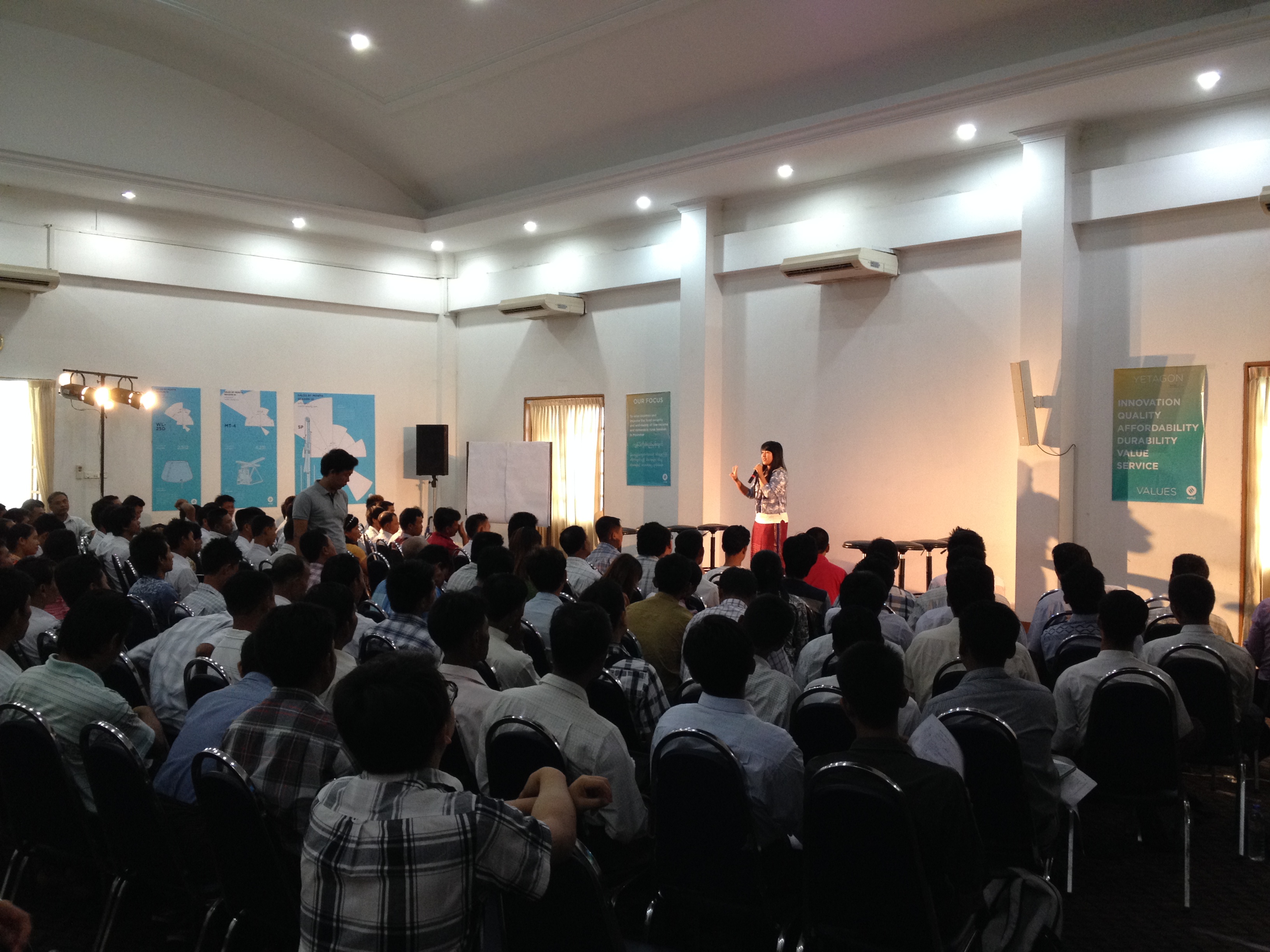
I’m back to work, and it is fantastic. Part of the first day was actually at an Irrigation Product kick-off meeting, where all the Irrigation Product sales people from around the country came in to touch base.

IMG_3259

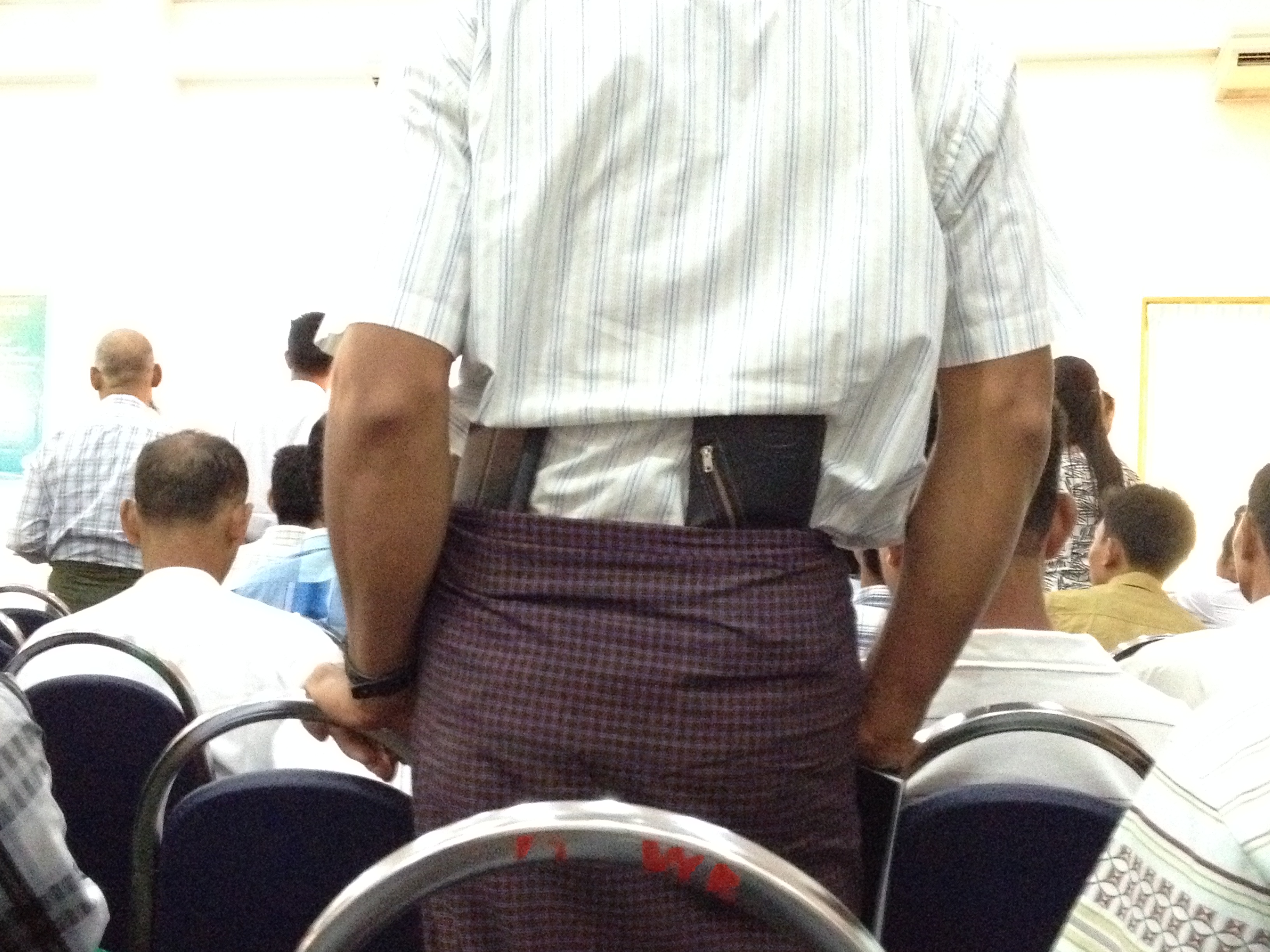
How do you carry a wallet and a cellphone when you are wearing a longyi? This is how:

IMG_3265

I’ve also spent time touching base with my work partner Su Mon, which has been fantastic. We’ve been working on mapping out the strategy for restructuring/launching the Energy business.

The office environment has been great. It feels like a start-up with everyone sitting together on the same floor and without cubicles or major obstructions to the flow.

This Thursday night I will be taking an overnight bus to Pokokku farther north in Myanmar (I think it’s about an 8 hour drive). I will be visiting towns and villagers there to better understand our customers / future customers (I plan to come back Saturday night / Sunday morning). I’m very excited.

Here’s a map:

Yangon to Pakokku Map

That’s all for today. I’ll try to post another update soon, although it may not be until I am back in town after the trip.

SIM City

After many failed attempts at trying to understand the telecommunications market here, I think I have finally figured it out. Here’s the rundown:

There are currently two operators:

  • MPT (the government network): These cards weren’t available to foreigners but could be acquired secondhand for upwards of $2,000. They were at around $100 or $200 about four months ago. I bought mine for $25 (apparently my phone number indicates that the person who sold it to me waited in the official government distribution line and got it for $1.50). This card has fantastic voice service. Internet is not great, and the internet connection runs off of minutes, not data, so it turns out to be very expensive (you also need to maintain at least a 10,000 kyat balance or internet won’t work).
  • Ooredoo (the first private telecomm provider): Instead of paying the late fee by delaying their launch, they went ahead and offered their SIM cards in August (I believe). Connection is terrible. However, internet runs on data, and when available is actually pretty good.

Because of this setup, I need to juggle two SIM cards, which is an interesting experience, and makes me appreciate connectivity in the U.S. Apparently another company, Telenor, is going to launch soon. People are are hoping that it solves the connection issues and means not having to juggle SIMs.

DSC08540

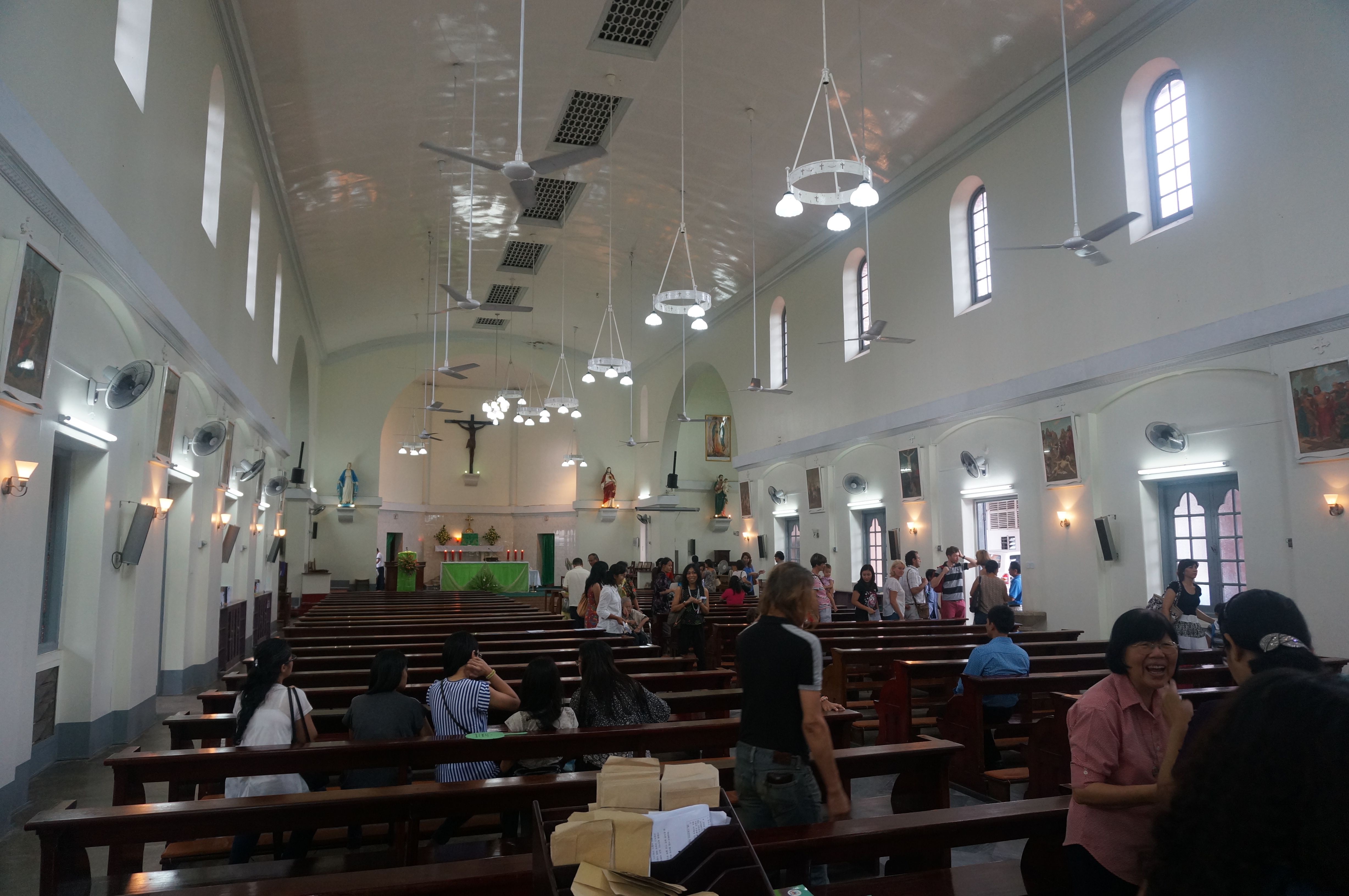
So after managing this, I went to a Catholic service at a nearby church called St. Augustine. The Mass was in English, which was great.

DSC08531

Apparently there is another church called St. Mary’s which is larger, so I will probably check that out next weekend. I didn’t see anything in the weekly bulletin about a young adults group, which I had been hoping for (although helping to start one could be an option).

After church I checked out the Yangon Sailing Club. The good news is that it exists. The bad news is that it seems more like an “old boys club” than a sporting facility. To sail on the weekends (and apparently certain week days) you need to be a club member, and to be a club member you need to have three people in the club sign for you. There are apparently free events on Friday evenings, which I guess is where you meet people to network your way in. To be honest, I’d like to skip the pomp and circumstance and just get out on the water.

DSC08536

DSC08538

DSC08535

After this I went to my favorite Burmese restaurant for lunch and then went to the nearby shopping mall called Yankin Centre.

DSC08543

DSC08545

DSC08546

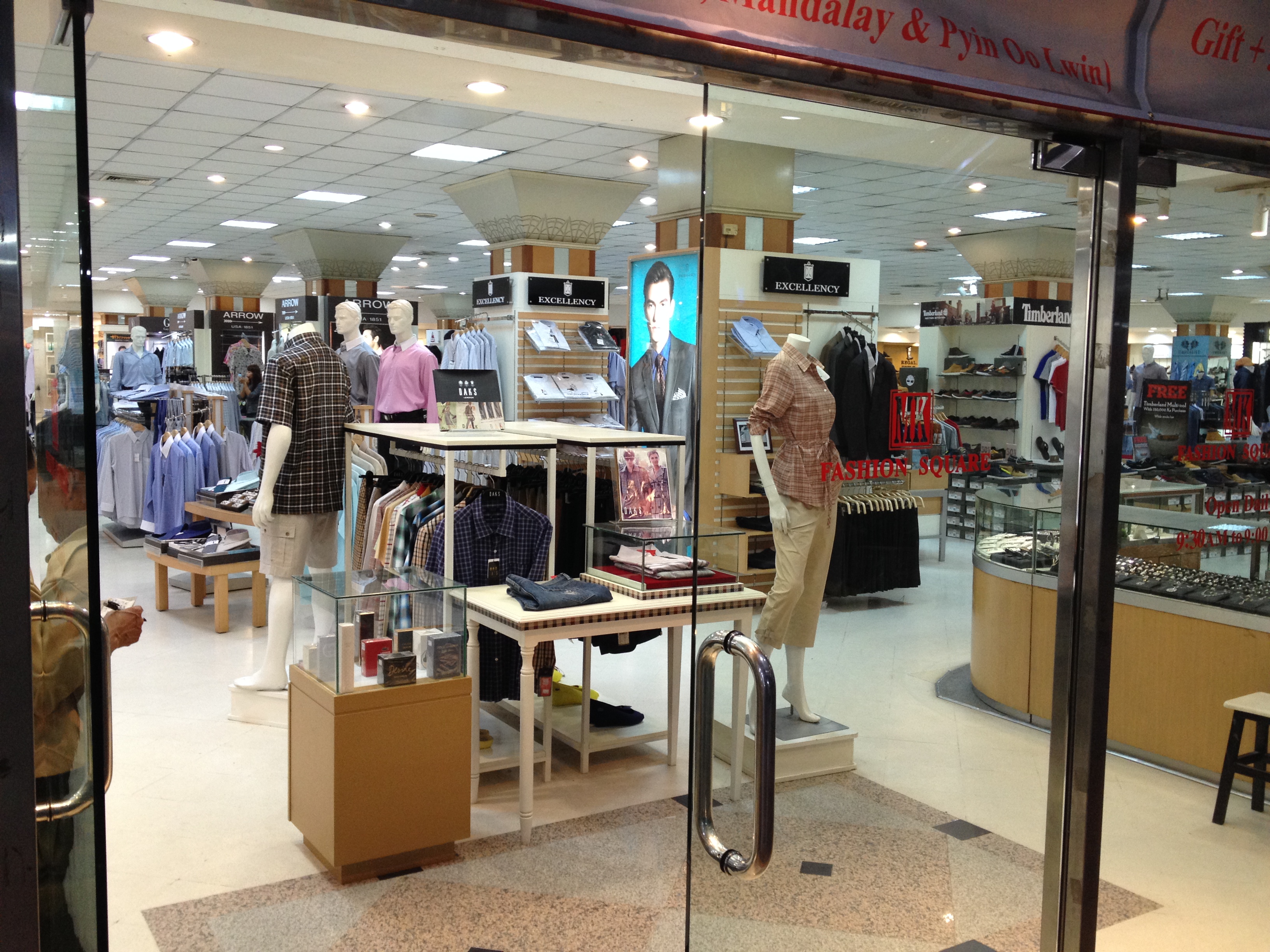
I wouldn’t compare it to developed world standards, but it has a grocery stores, number shops, and what appears to be a department store. Not bad.

Photo Sep 15, 1 16 57 PM

Photo Sep 15, 6 27 02 PM

After resting in the afternoon I went out to dinner with a friend of a friend who showed me Junction Square. Now this blew me away. I was shocked to see such a level of development in Yangon. Apparently it opened about four years ago. This is a mall that I WOULD compare to the developed world.

Photo Sep 21, 8 03 22 PM

It wasn’t just the infrastructure that surprised me but also the people. Most of the people I have seen so far have worn traditional garb such as the longyi wrap (pronounced “lawn-gee”) and traditional face protectant thanaka (pronounced “tah-nuh-kah”). Here people wore western clothes and make-up. It was quite a difference.

Tomorrow is my first day of work. I’m very excited. I am hoping to stay consistent with the blog posts, but bear with me if they get more infrequent.

Historic Yangon

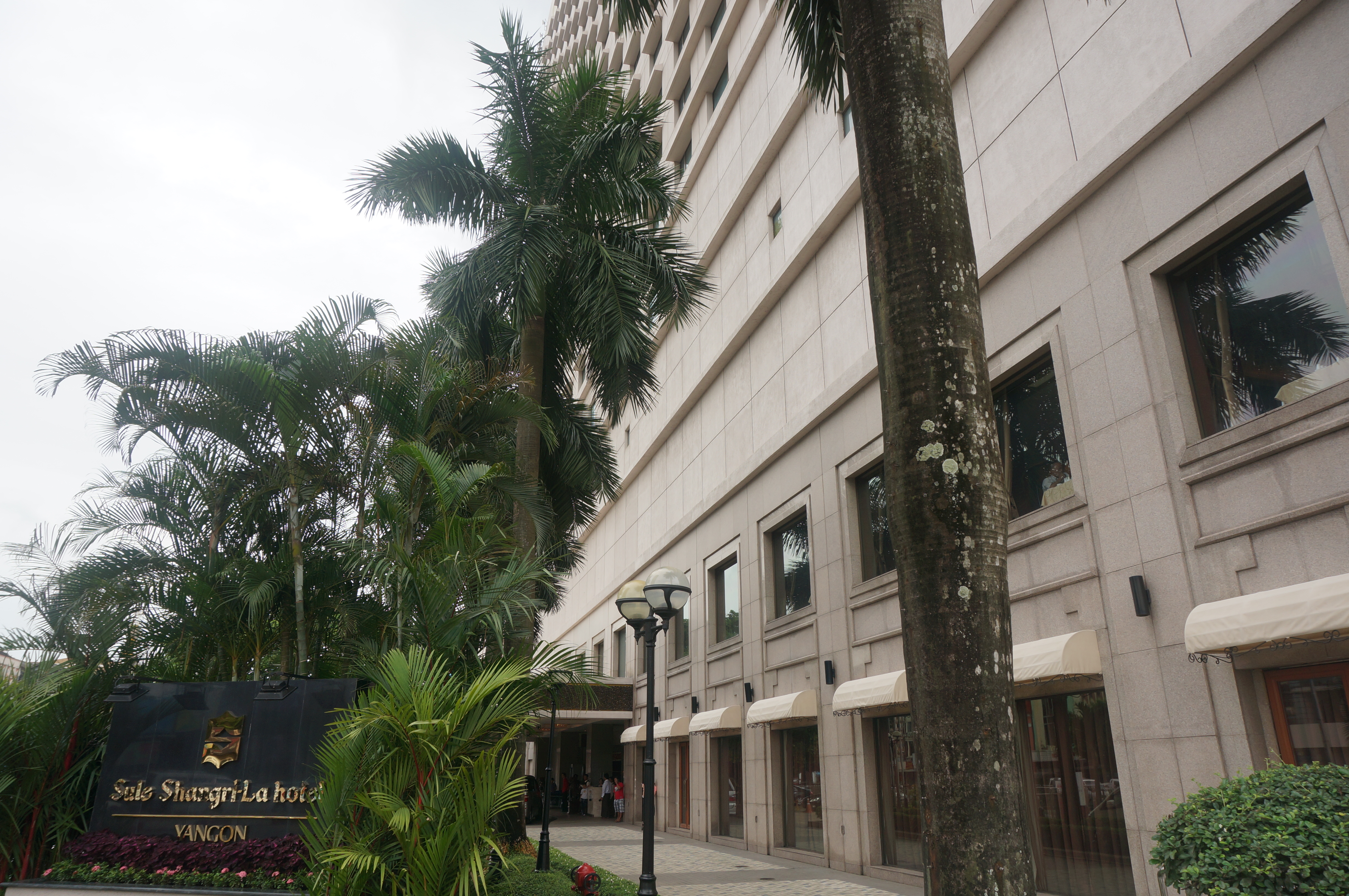
Today after checking out a sublet option on the foreigner-populated street called Yaw Min Gyi, I went inside the Shangri-La Hotel (still referred to as locally by it’s old name: Traders). Wow, this place is like a foreigner oasis in the city.

After checking my back through a screening device and walking through a metal detector, I was faced by the foyer:

IMG_3248

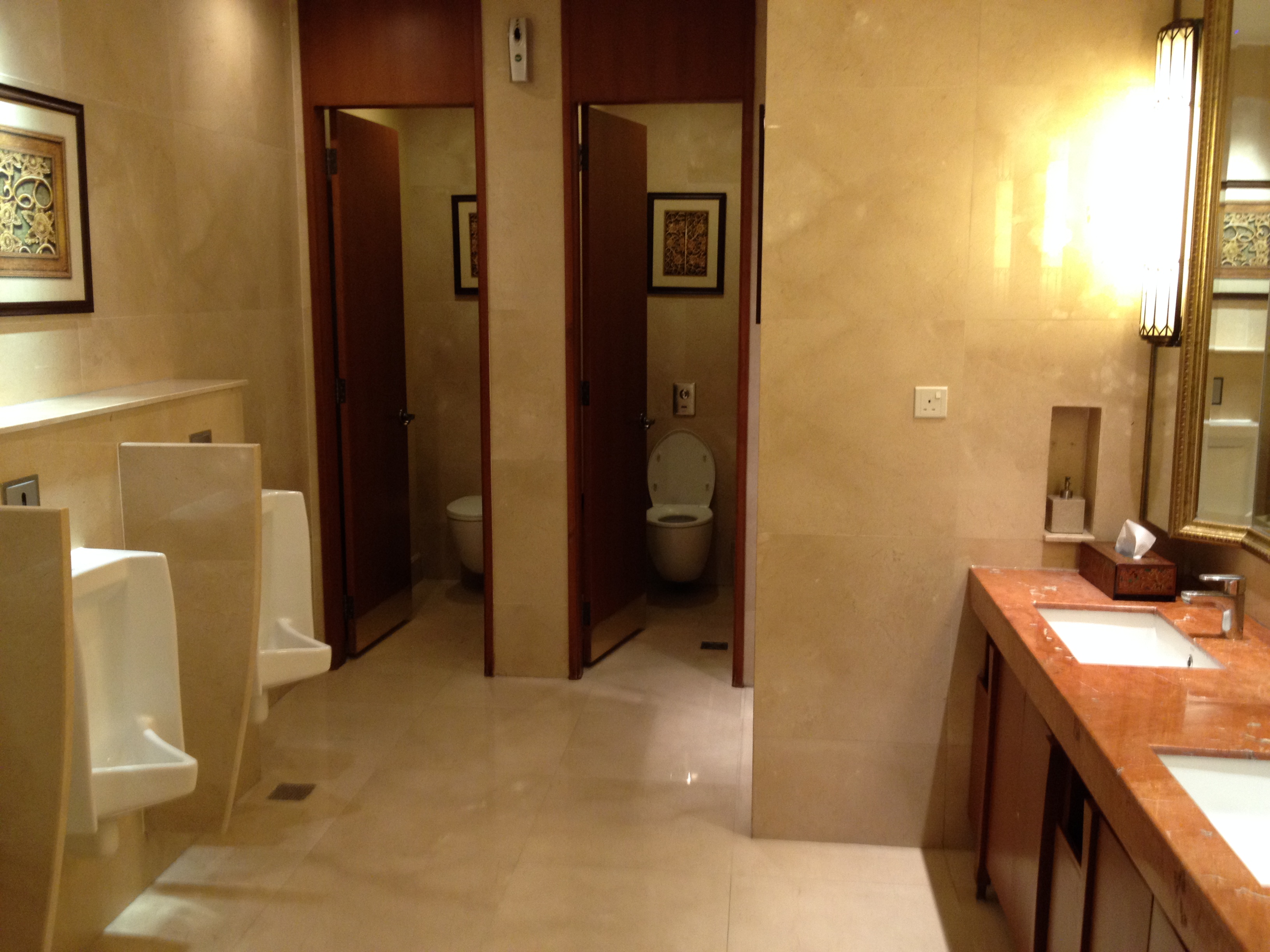
From there, I went straight to the bathrooms, labeled outside with a  sign saying “Public Bathrooms”. Nicest public bathrooms I have ever seen in my life:

IMG_3240

After that I walked down a corridor to C B Bank to withdraw some money:

IMG_3241

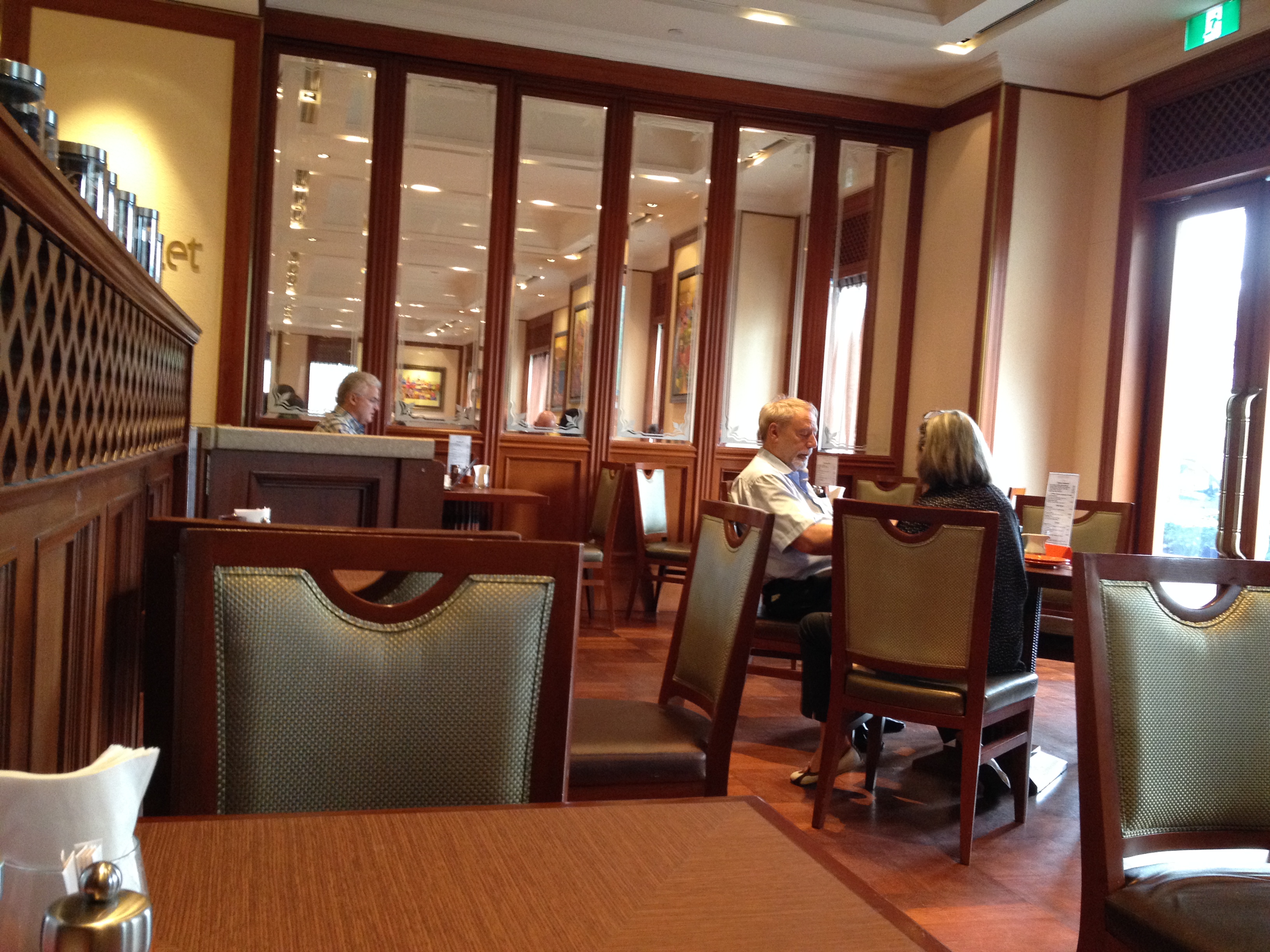
Traders is known for having the fastest internet in town, so I ordered I sandwich and posted up in the cafe (receiving my complimentary wi-fi code — although unfortunately internet gave out after about 20 minutes — we were told it was “the government,” but it was unclear what that meant):

IMG_3246

IMG_3243

After leaving Traders, I tried to stop by a cell phone store in order to get internet working on my phone. I needed to find out where the Yangon Heritage Trust was located for the walking tour I was going to go on with a colleague.

After purchasing the top-up card, the “Channel Manager” spent probably about 20 minutes trying to activate the card. Unfortunately the system was down, so I was out of luck.

After going inadvertently into the Port Authority, the Myanmar Agricultural Bank, and a library, I finally found the tour site, where I would be embarking on a walking tour of historic Yangon.

This is by the river:

DSC08492

We had a great tour guide.

DSC08498

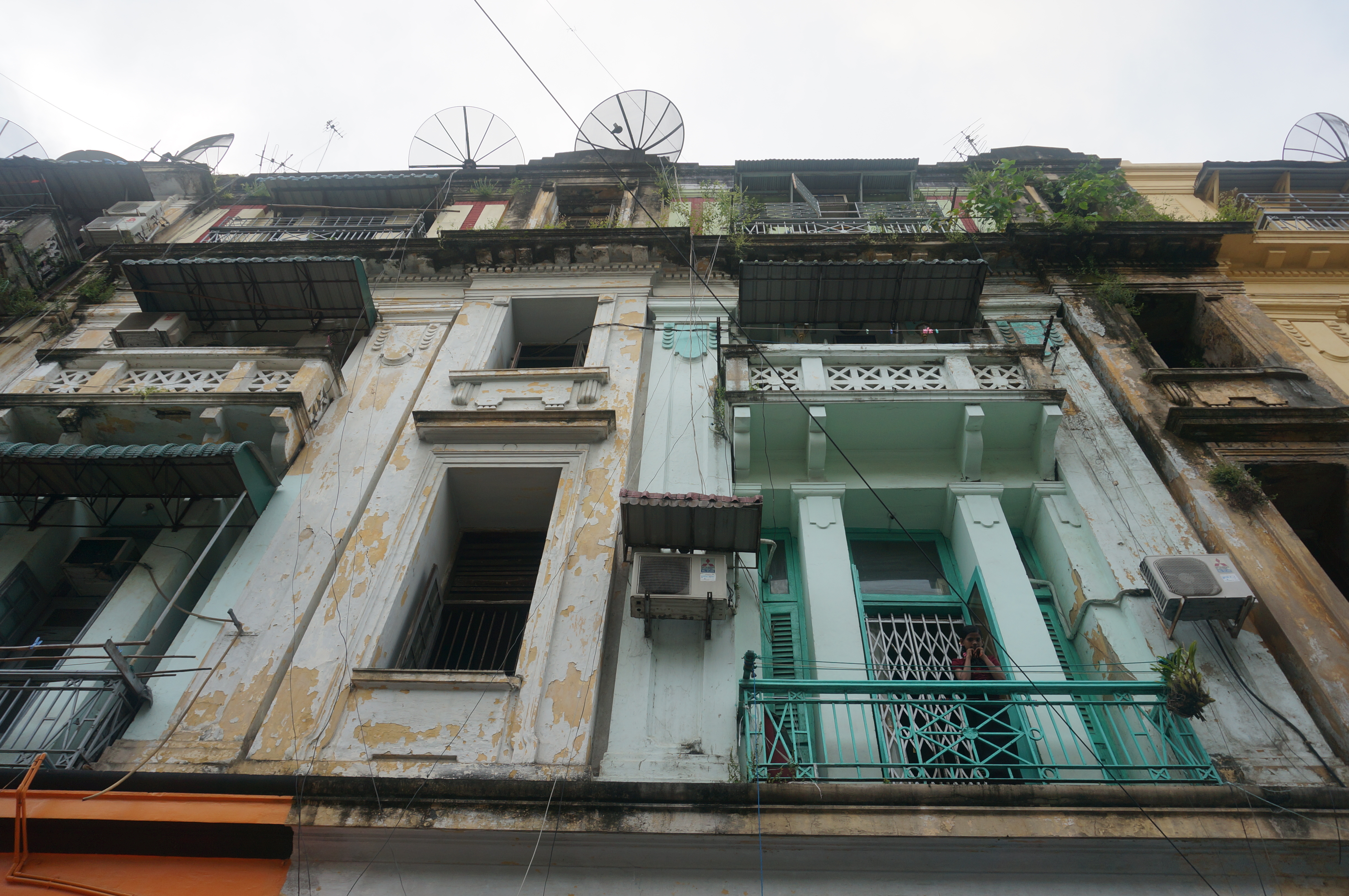
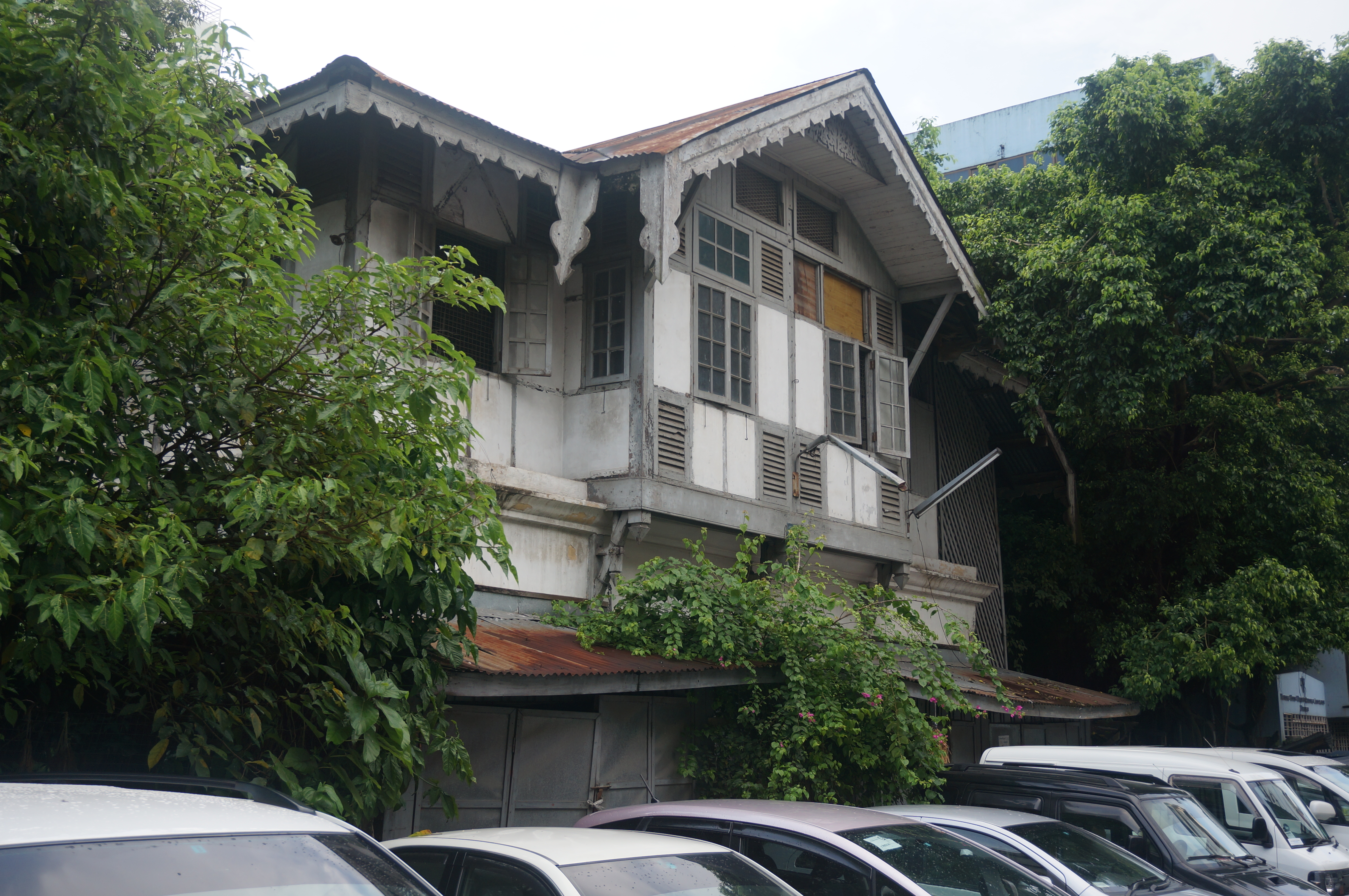
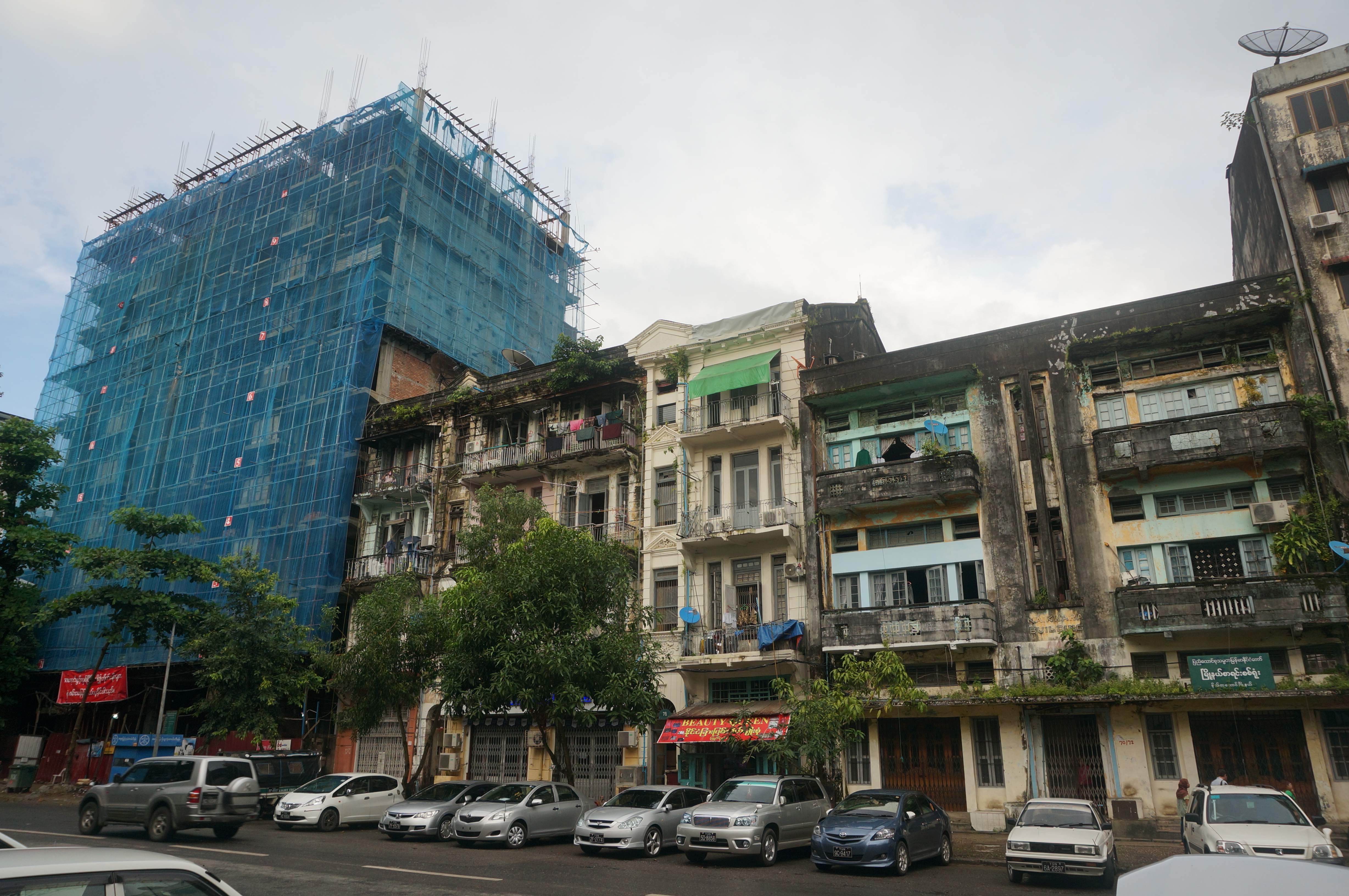
A lot of interesting old architecture from the Colonial Era / British rule. Some of it has been renovated and some has not.

DSC08527

DSC08491

DSC08517

DSC08523

We were told that this is traditional Burmese architecture:


DSC08521

Many more examples of the new and old of the cities coming together. Here is one example:

DSC08515

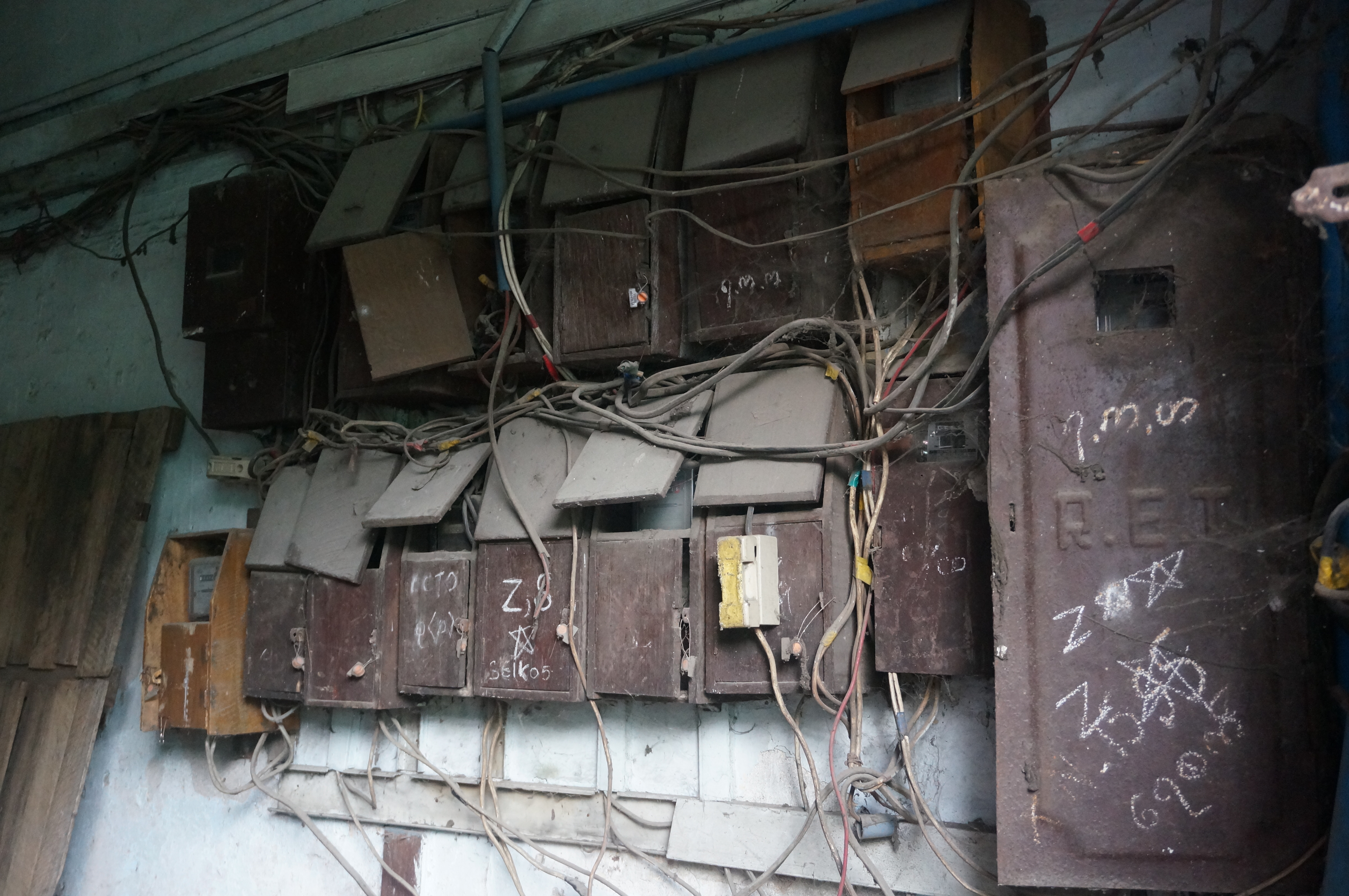
I was blown away by the electrical in one of the old buildings we were brought into. The building contained an art gallery and a property surveying government office.

DSC08506

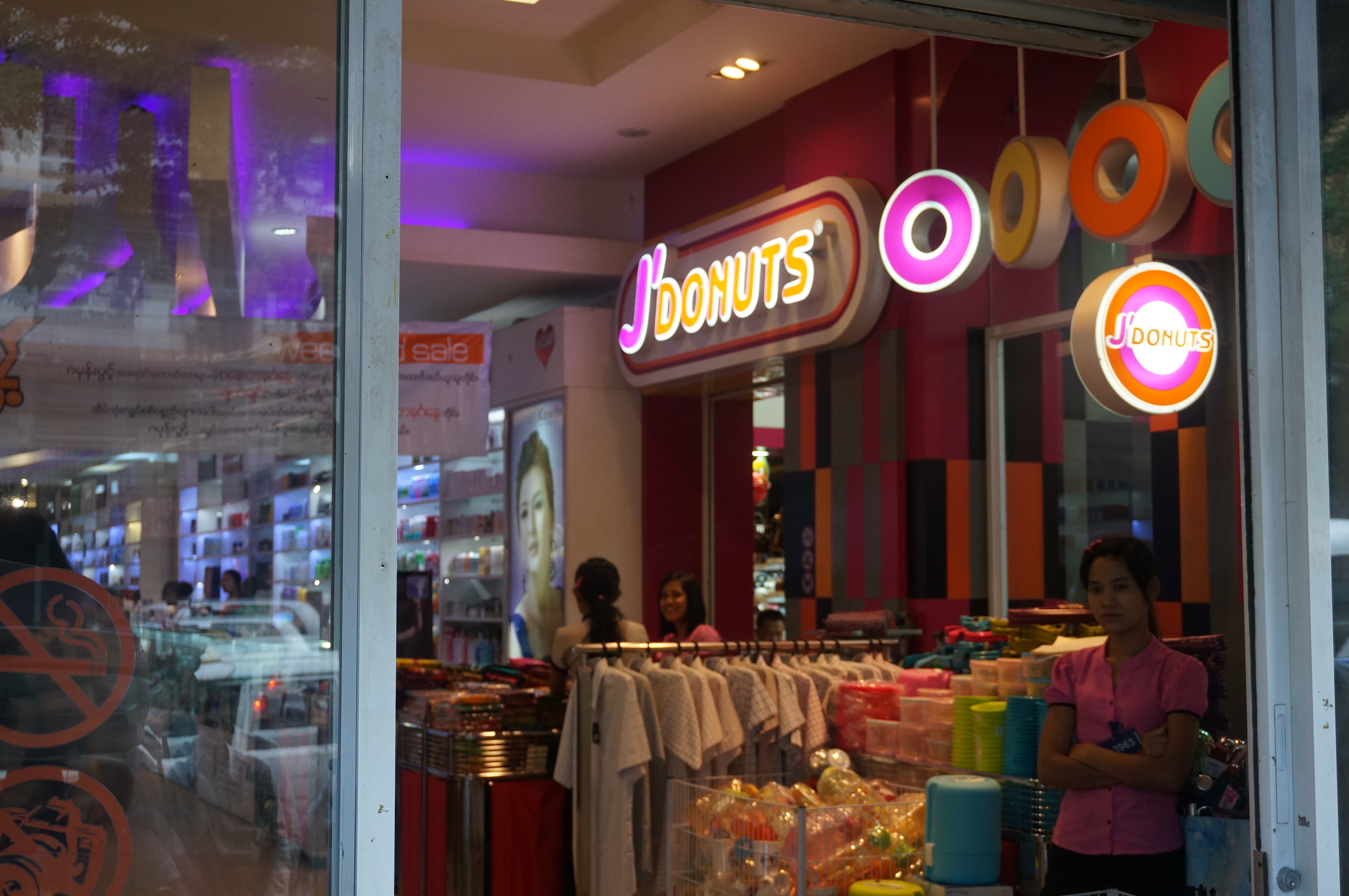
I’ve seen a number of these locations since I’ve been here. Apparently this is a very popular local doughnut company (apparently no connection to Dunkin’ Donuts).

DSC08520

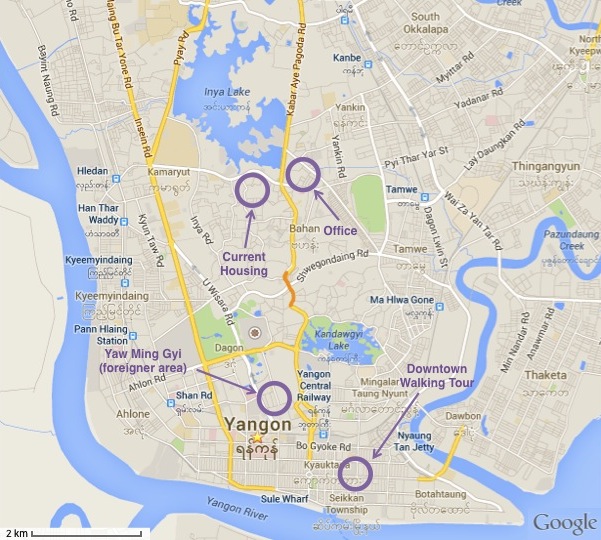
I’ll finish off the post with a map to help orient you. Hopefully it helps.

Map of Yangon

A Peek into Downtown

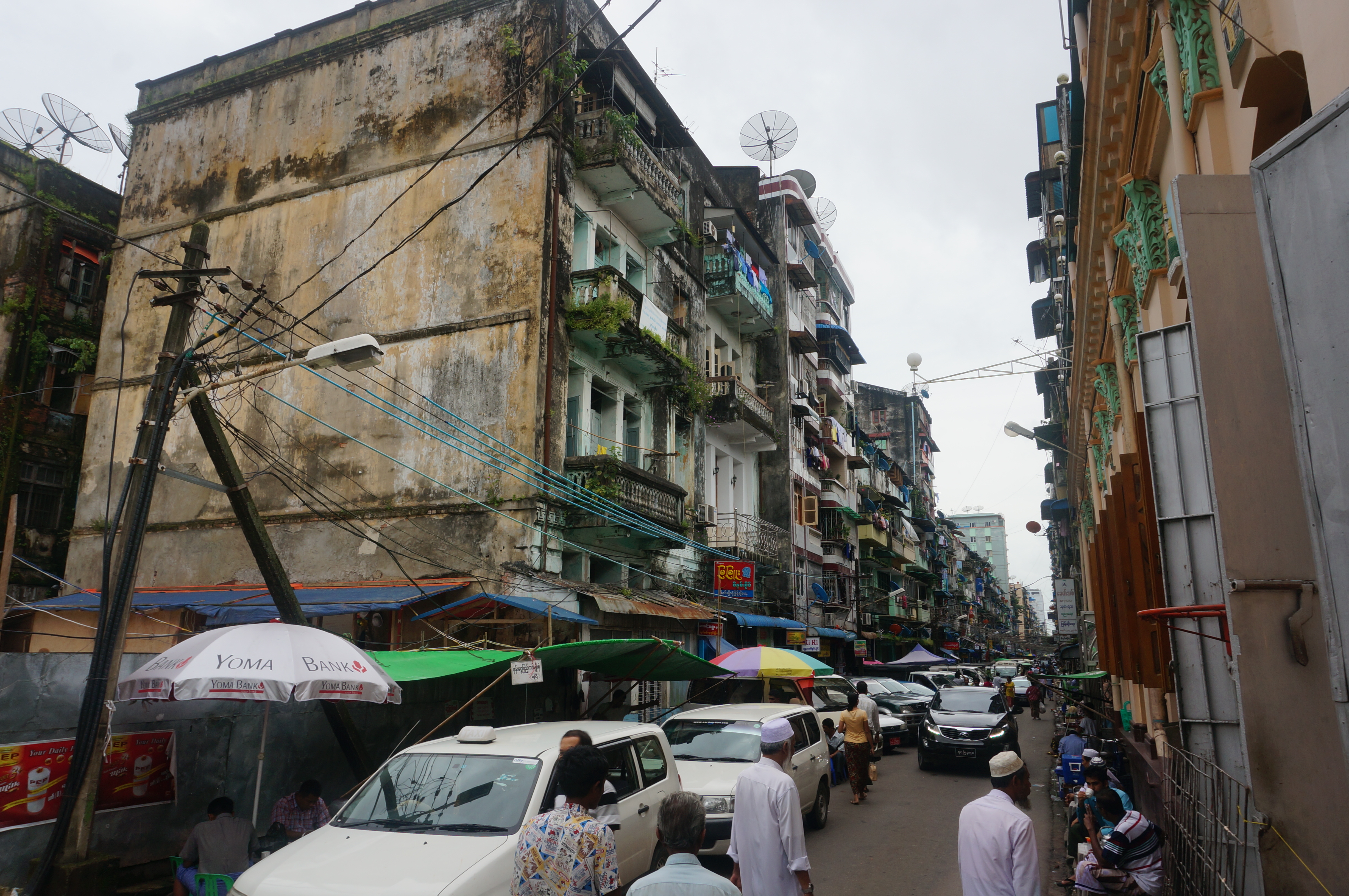
Not much to post today. I plan to go on a tour tomorrow of some of the old buildings, but I had a chance to walk around a bit today and was just at the tip of the downtown area. Again, I was most impacted by the contrast between new and old.

Here is a new office building:

DSC08479

Here is the building directly across from it:

DSC08480

Here is a picture that shows the two buildings:

DSC08484

I believe this is one of the roads that runs into downtown (I am taking the picture from the north-most point — there will be a lot to explore!):

DSC08485

Here is a row of buildings where you can almost see development happening in real time:

DSC08489

The Shangri-La Hotel (formerly called Traders, which it is still referred to as) is at the beginning of the row:

DSC08488

I had a great dinner tonight with some folks from Proximity, and it looks like I’ll be heading into the country late next week to speak with some customers, which should be awesome.


Temple Time

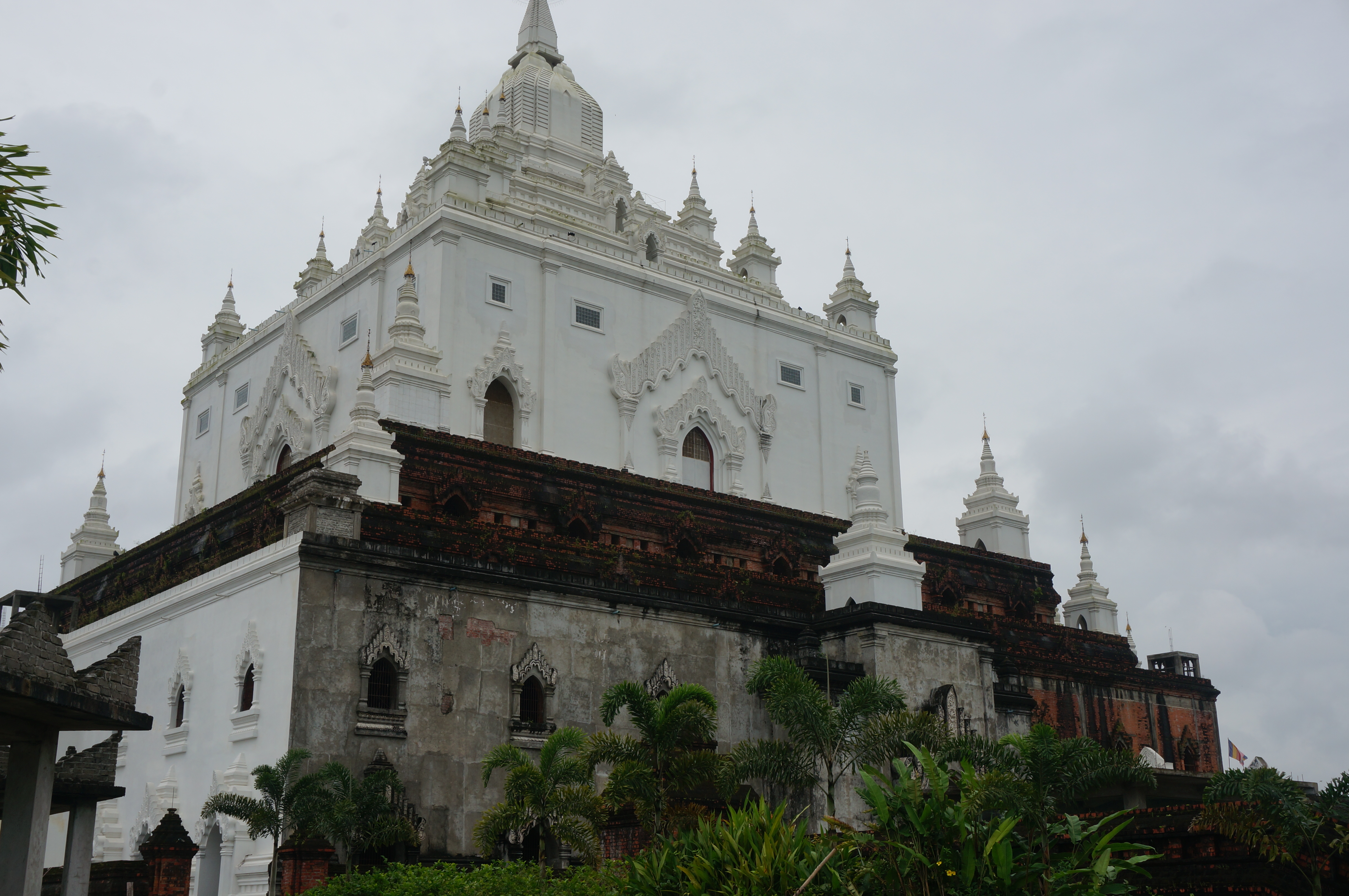
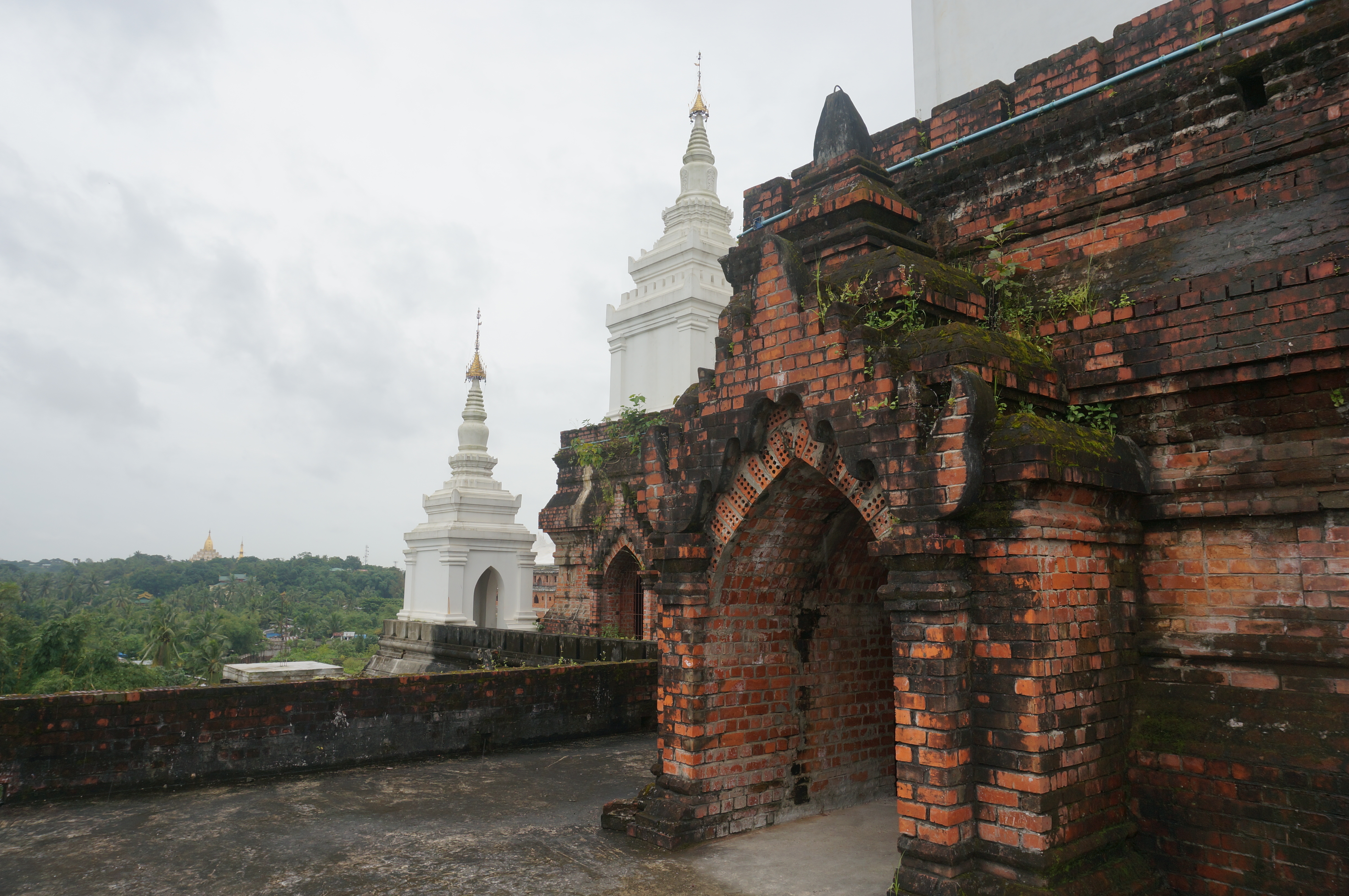
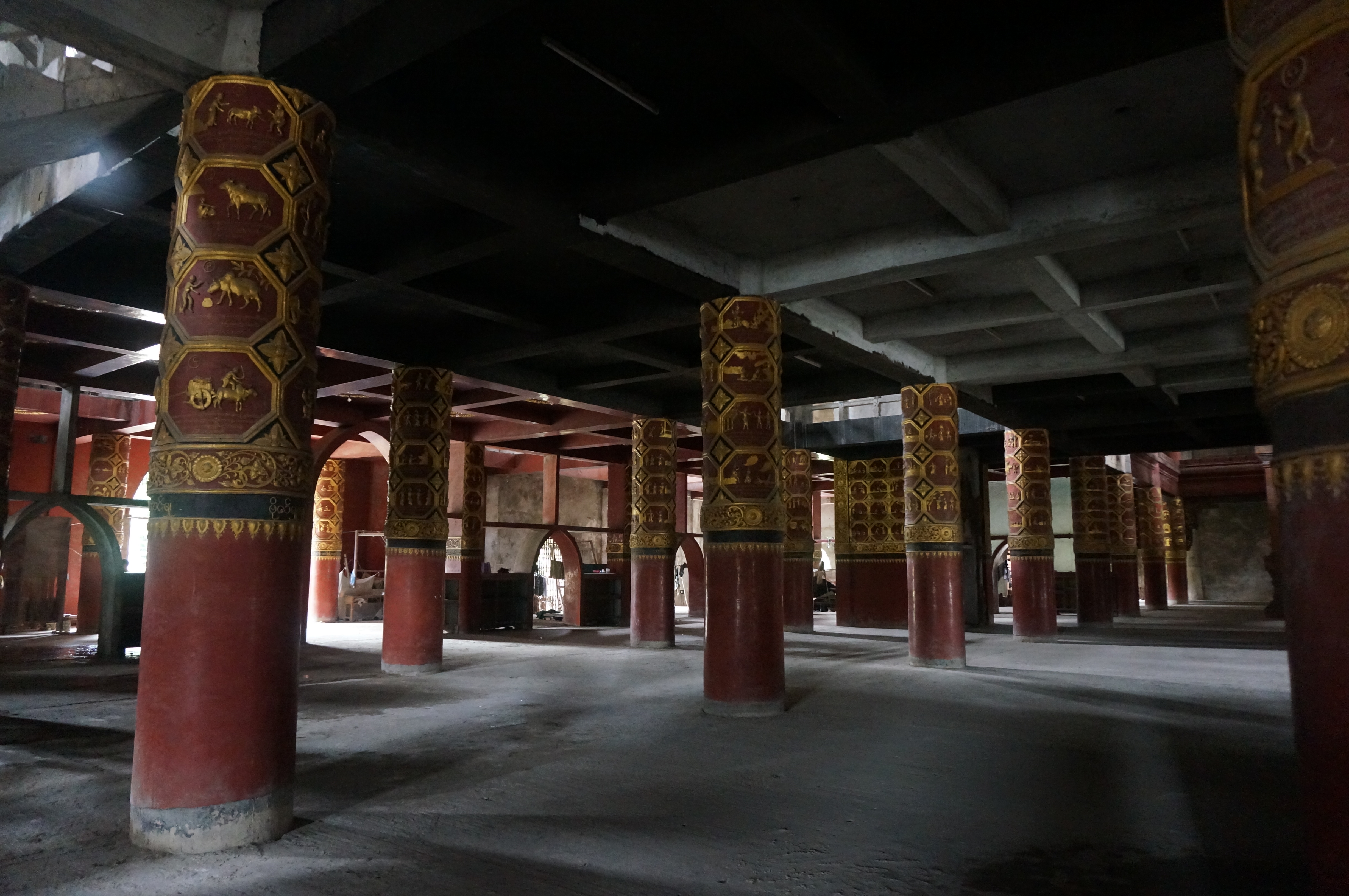
I visited my first Myanmar temple today. During apartment hunting with my new Burmese broker, I was surprised when she offered to show me a temple on the way back. I jumped at the opportunity.

DSC08465

DSC08473

The temple was actually still under construction (or renovation), and I think we were the only people there besides the workers. It was kind of surreal.

DSC08475

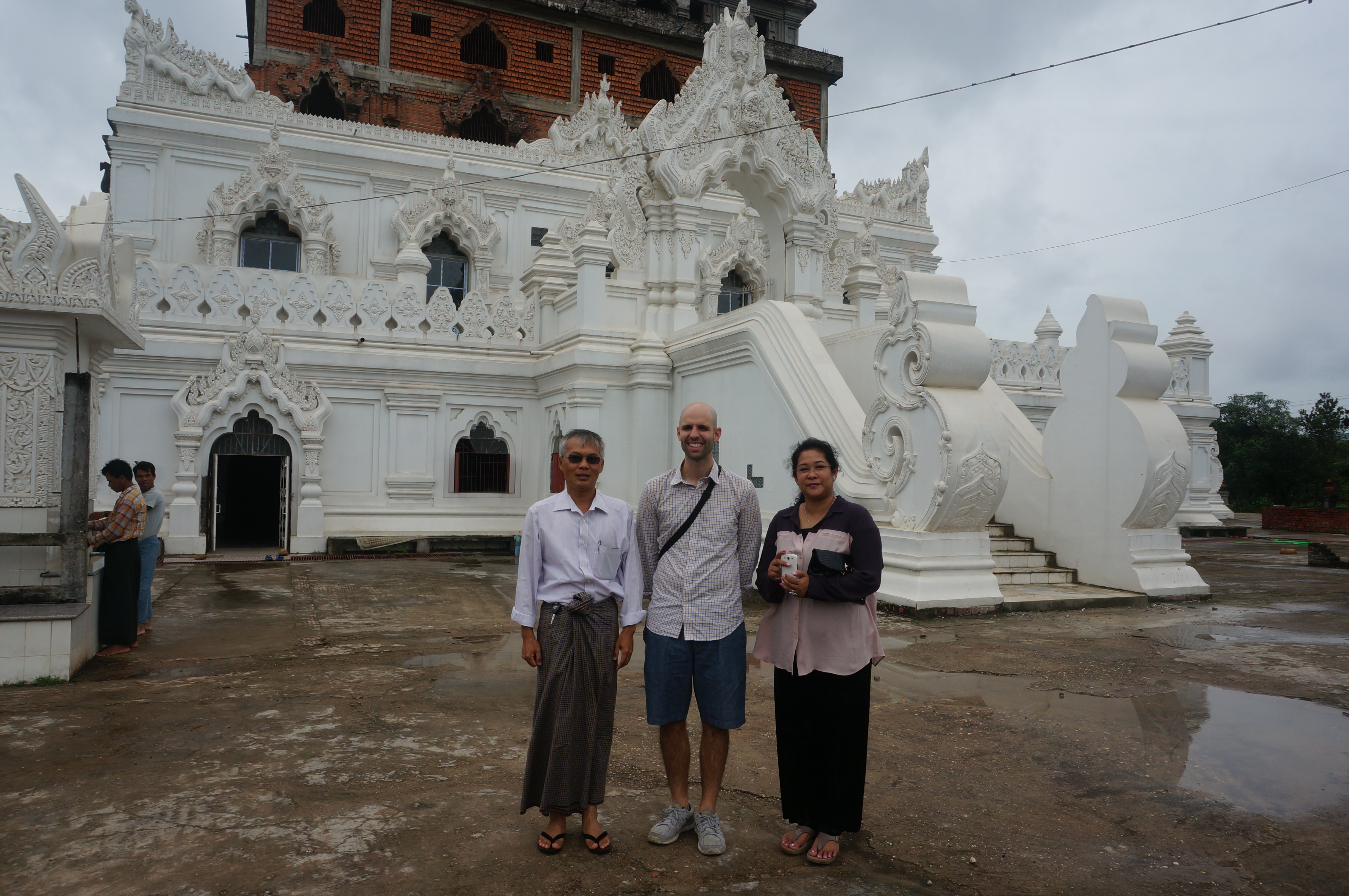
Here is a picture of me with the Burmese broker, Daw Sabe (pronounced “sah-bae”), on the right. The man on the left is another member of her team.

DSC08478

Industrial Zone (and First Taxi Negotiation)

Today I had the opportunity to visit the Proximity Designs workshop in the industrial zone. I also went to visit some of the actual manufacturers/suppliers.

DSC08340

DSC08381

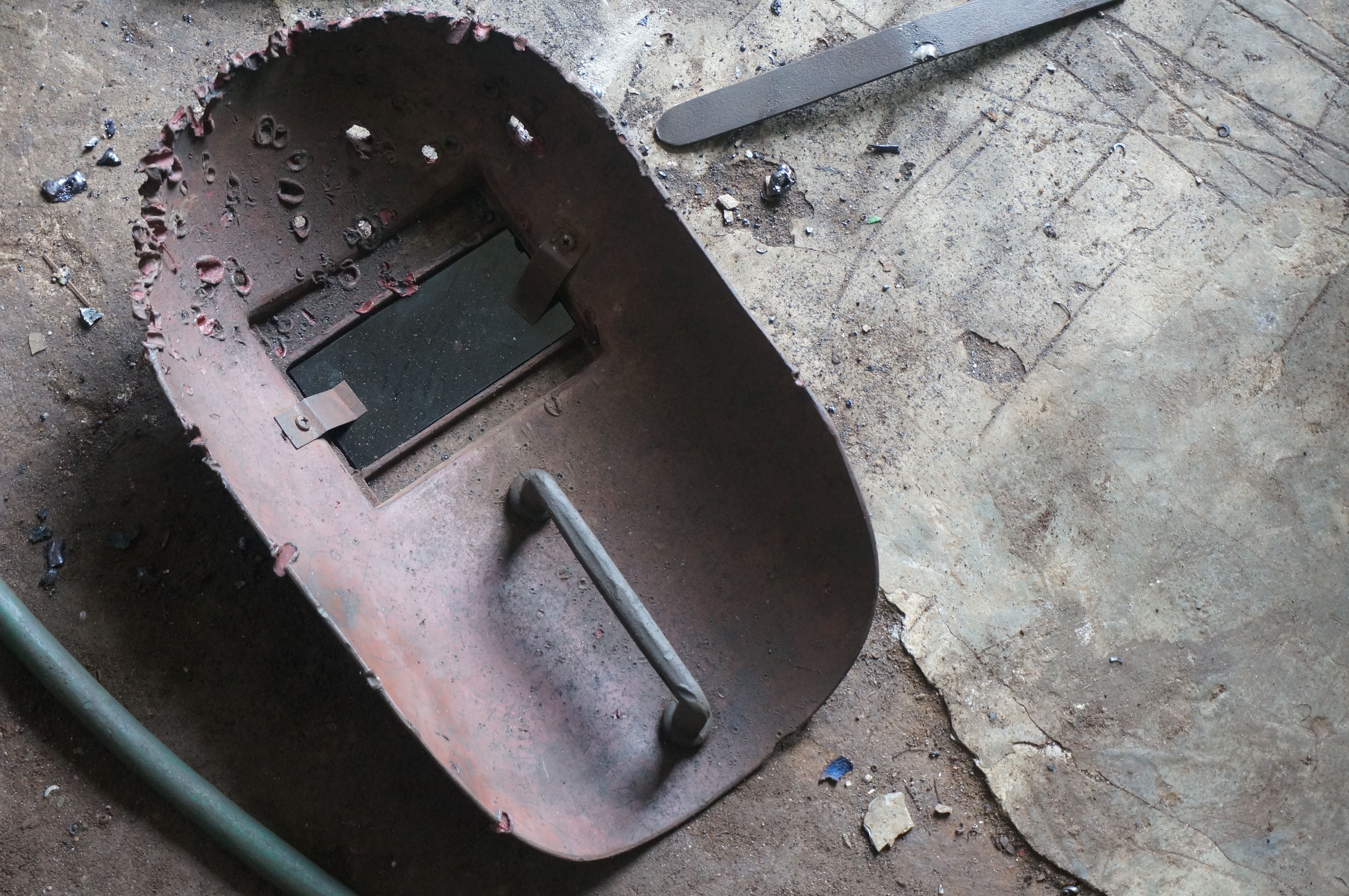
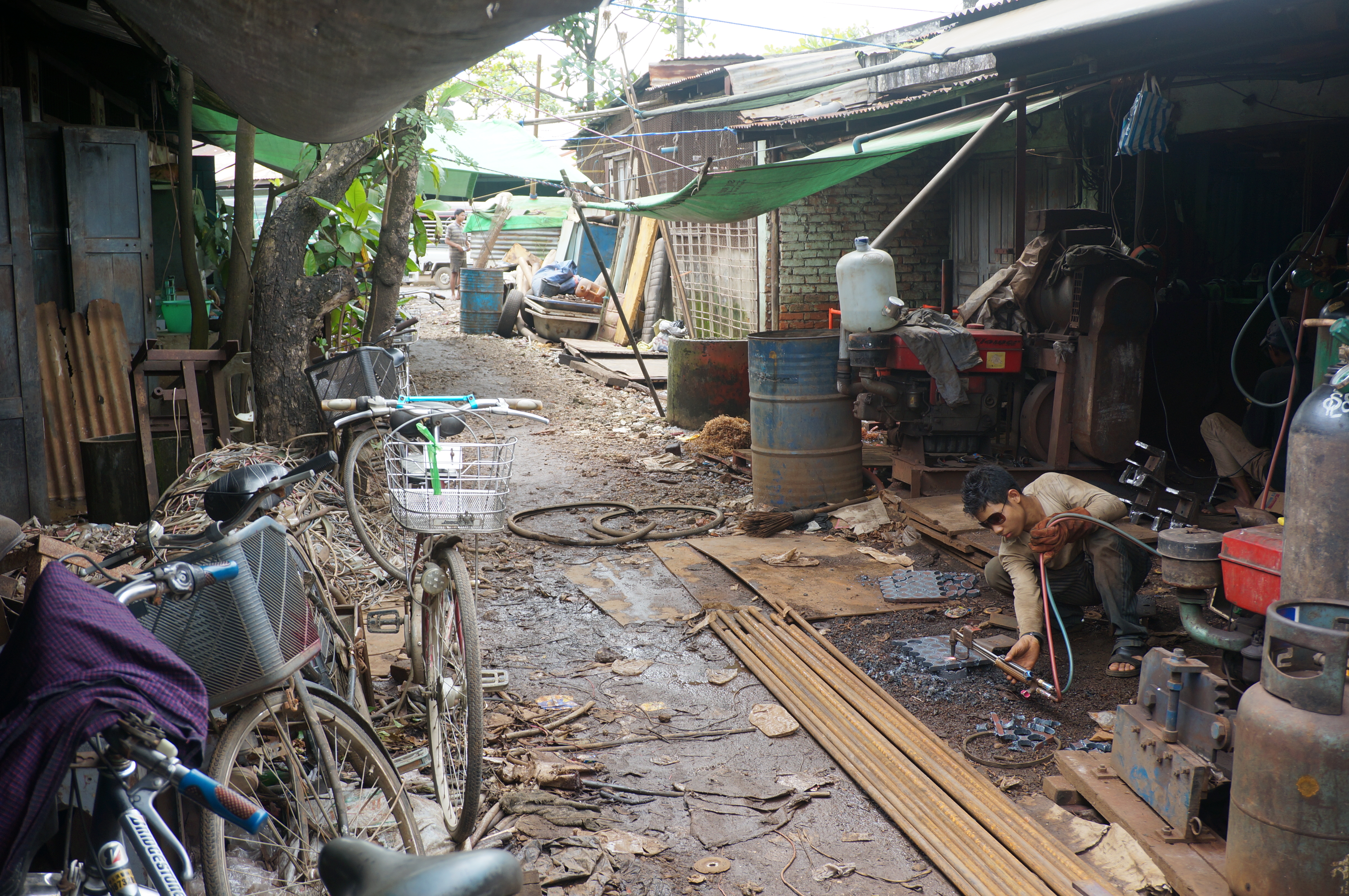
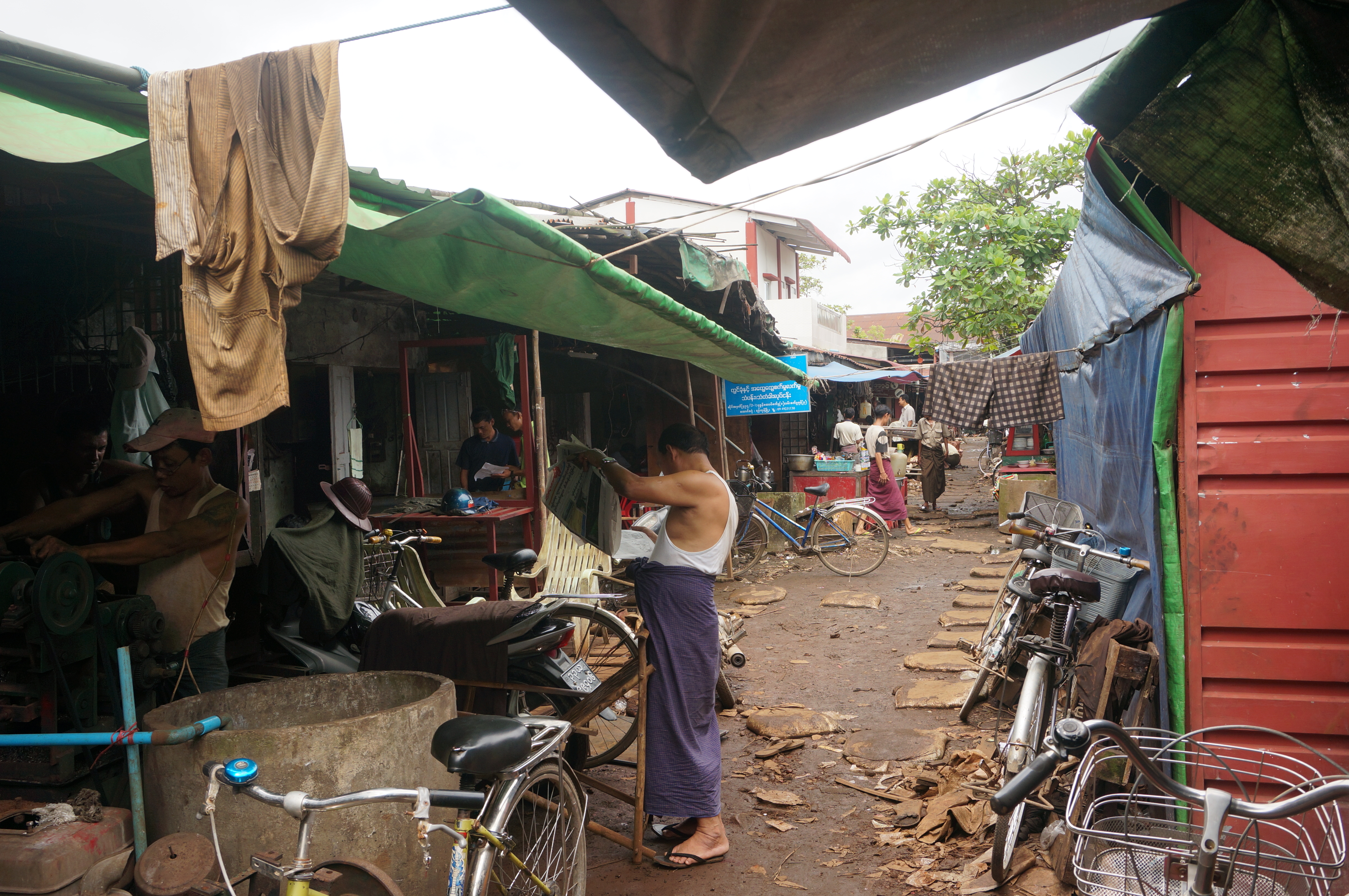
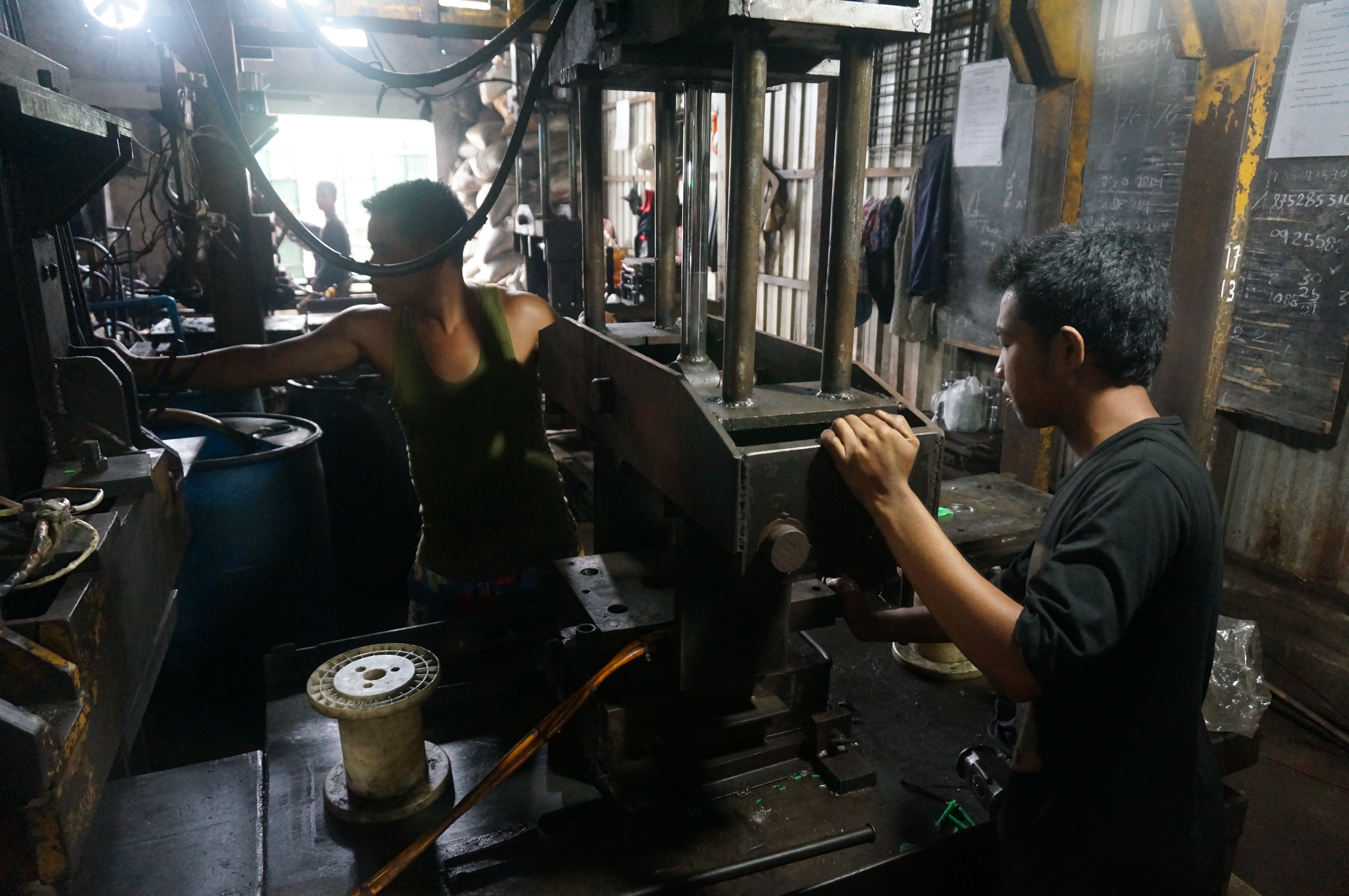
Going out into the field was an incredible experience. The work conditions weren’t the most modern, to put it lightly, and if I thought the fumes were bad from road vehicles, this was at another level.

DSC08389

I was treated to tea at the place with the blue sign by one of the manufacturers.

DSC08390

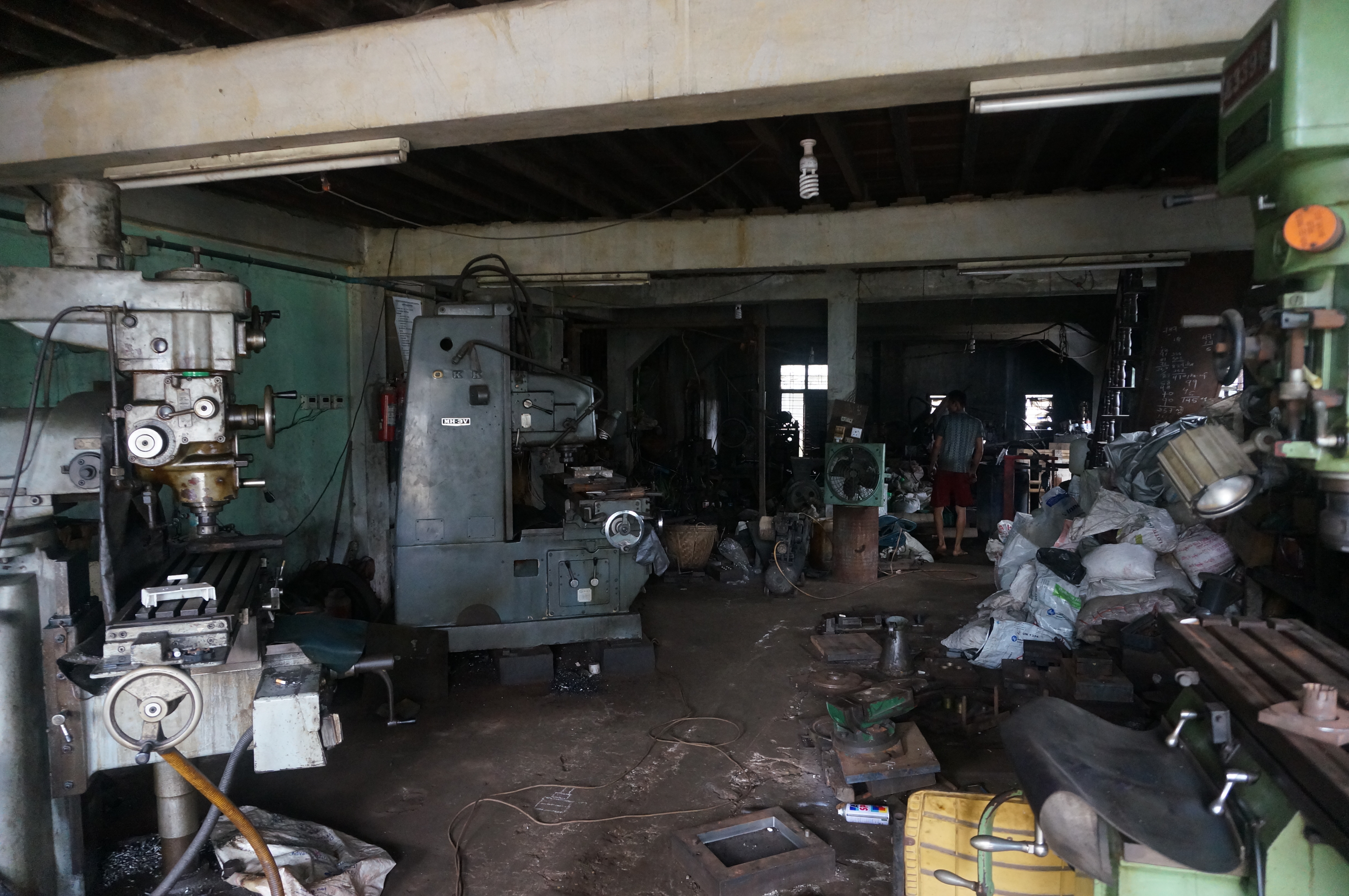
I don’t think I have ever been inside a machine shop in the U.S., but this place looked intense.

DSC08342

DSC08387

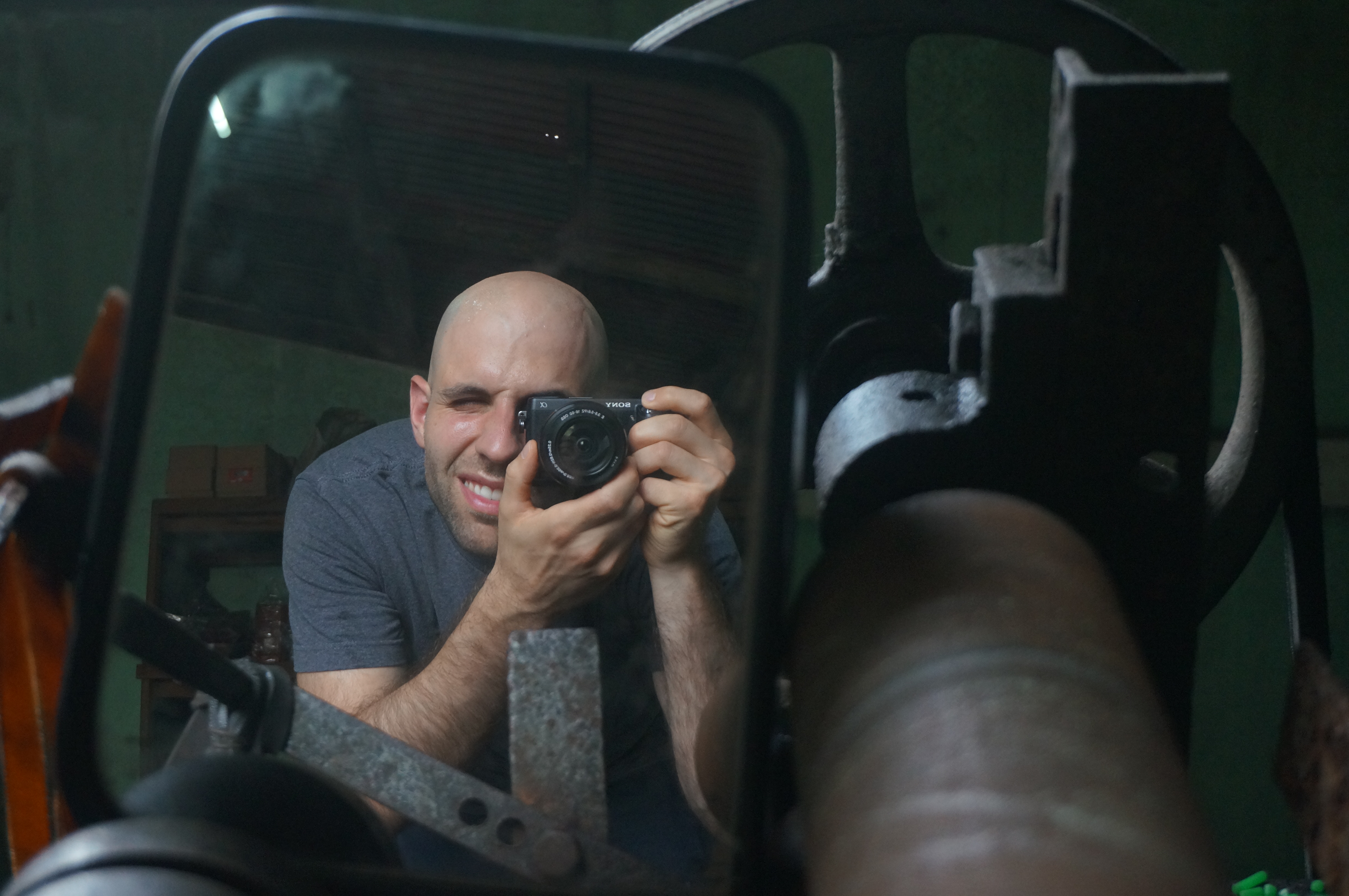
You can see that I’m still in one piece! (although I can’t say I didn’t stick out in the crowd)

DSC08383

Here are some more of the people behind the products manufactured:

DSC08348

The tan stuff you see on her face is a paste from tree bark that is supposed to be good for your skin and protect against the sun (wearing this is a local custom in Myanmar):

DSC08351

DSC08363

DSC08394

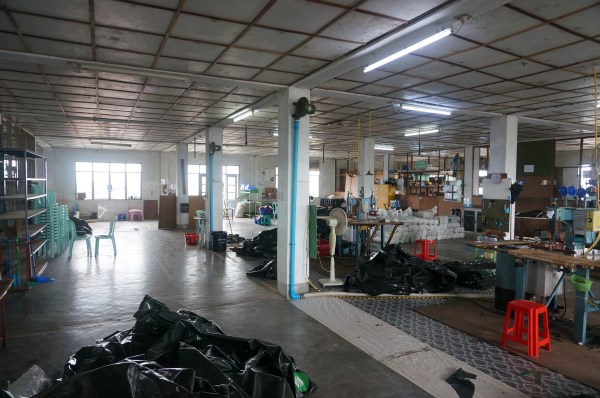
It was great to see the Proximity workshop. Here are pictures of the design studio, the wet lab, and one of the manufacturing/assembly floors:

DSC08337

DSC08404

DSC08405

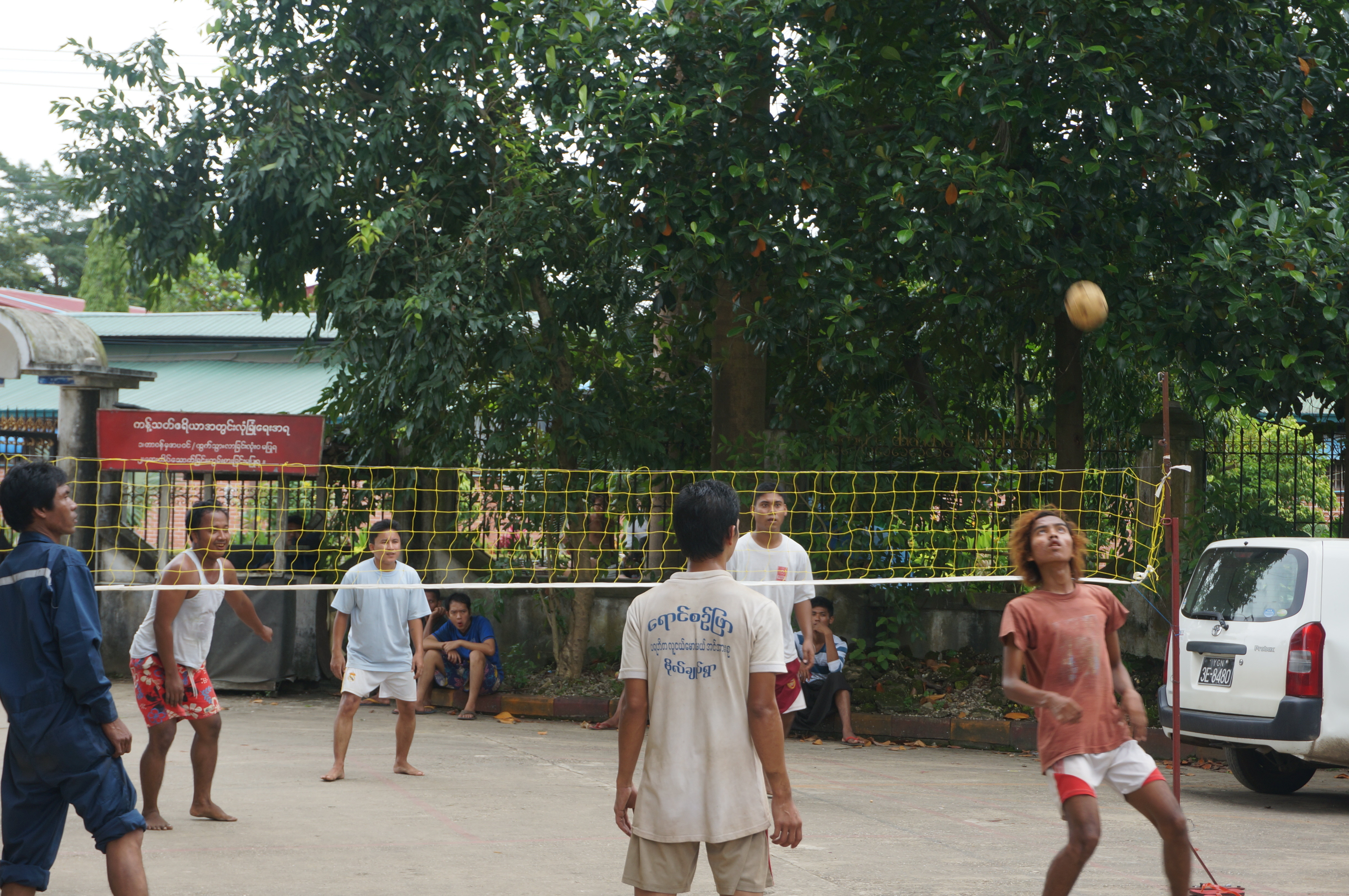
I also saw some guys out in the driveway playing a ball game. Check out the video I took for one of the points.

DSC08411


I ended my visit with a lunch with a friend at Proiximity. We ate at a local Burmese restaurant. The food was great, particularly the tea leaf salad (the dish on the front right).

DSC08412

So late on the day, I had to negotiate for a taxi. There aren’t meters in the taxi cabs, so the trips are pre-negotiated. I was told what the rate should be, so I was prepared (despite my complexion).

It took a couple cabs who didn’t understand my directions until I realized to use the map on my phone as an indicator. It then took another three cabs until I found someone who was willing to accept my price. To be clear, we aren’t talking big dollars here, but it is more the principle. Two cabs stuck firm at 2,500 kyat (~$2.50) although I was asking for 2,000 kyat (~$2.00).

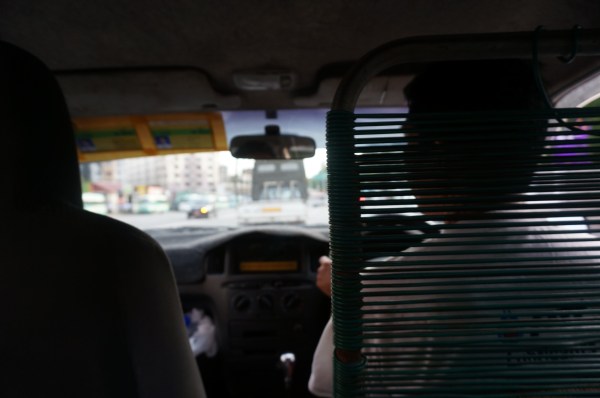
The driver that accepted the 2,000 kyat offer also had what looked like a sweet, custom-fabricated driver seat for ultimate airflow.

DSC08413

More to come!

DSC08416

Venturing Out

Each day I’ve been in the city I’ve ventured out a bit further from home base. Most of my wandering happens at night when it is cooler. During the day I have been working on logistics such as setting up my cell phone and figuring out money management here (I successfully withdrew money from an ATM yesterday using my Bank of America debit card!).

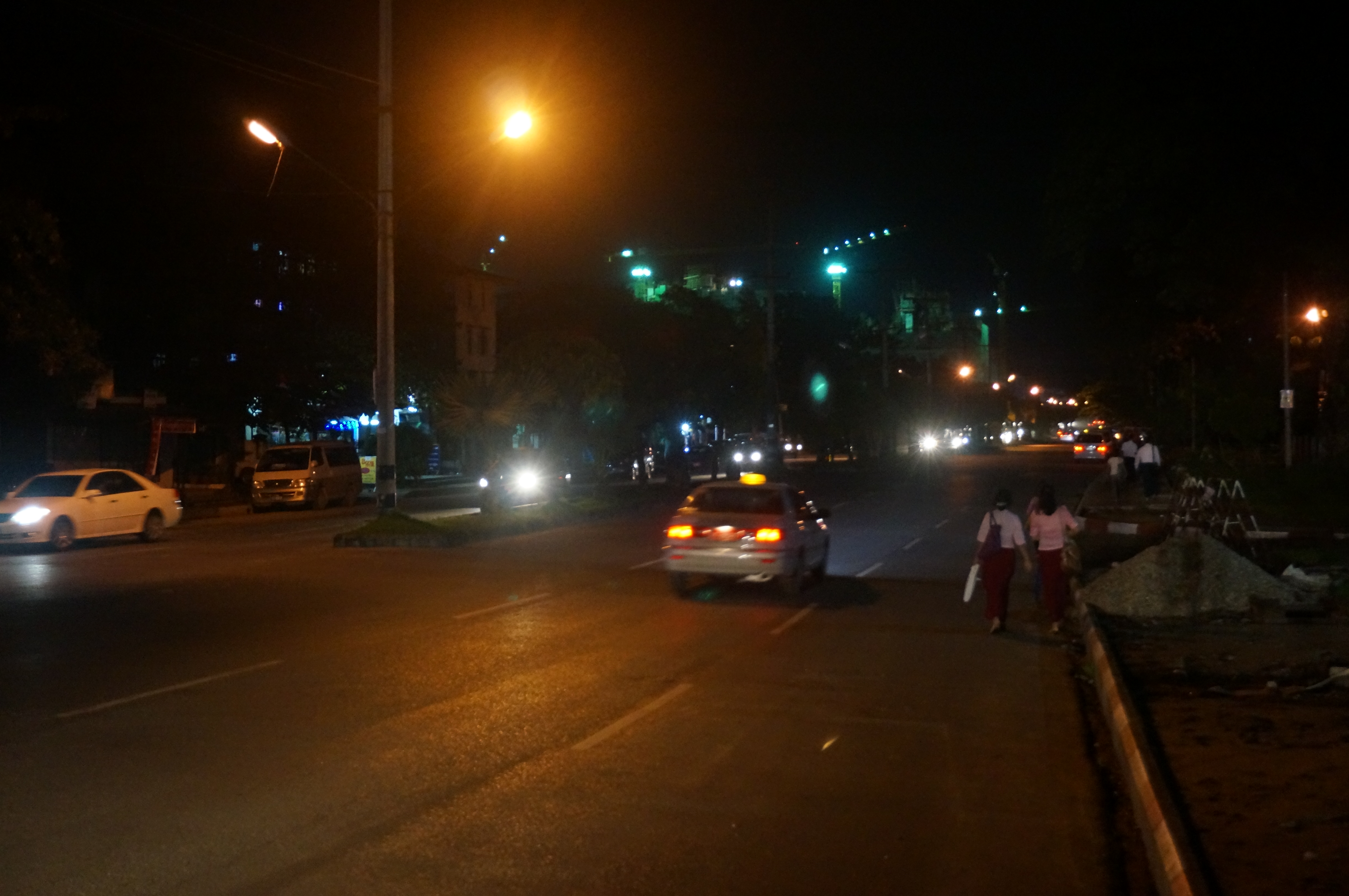
Most of my walks have been along the main road, University Avenue, in the northern part of the city. The acrid taste of diesel fumes are a downer, but the sights along the road are incredible.

In an earlier post I spoke of the sidewalk issue. Here is a picture of a typical solution (walk in the road!). Walking the streets in general here requires nerves of steel. Cars always have the right of way.

DSC08323

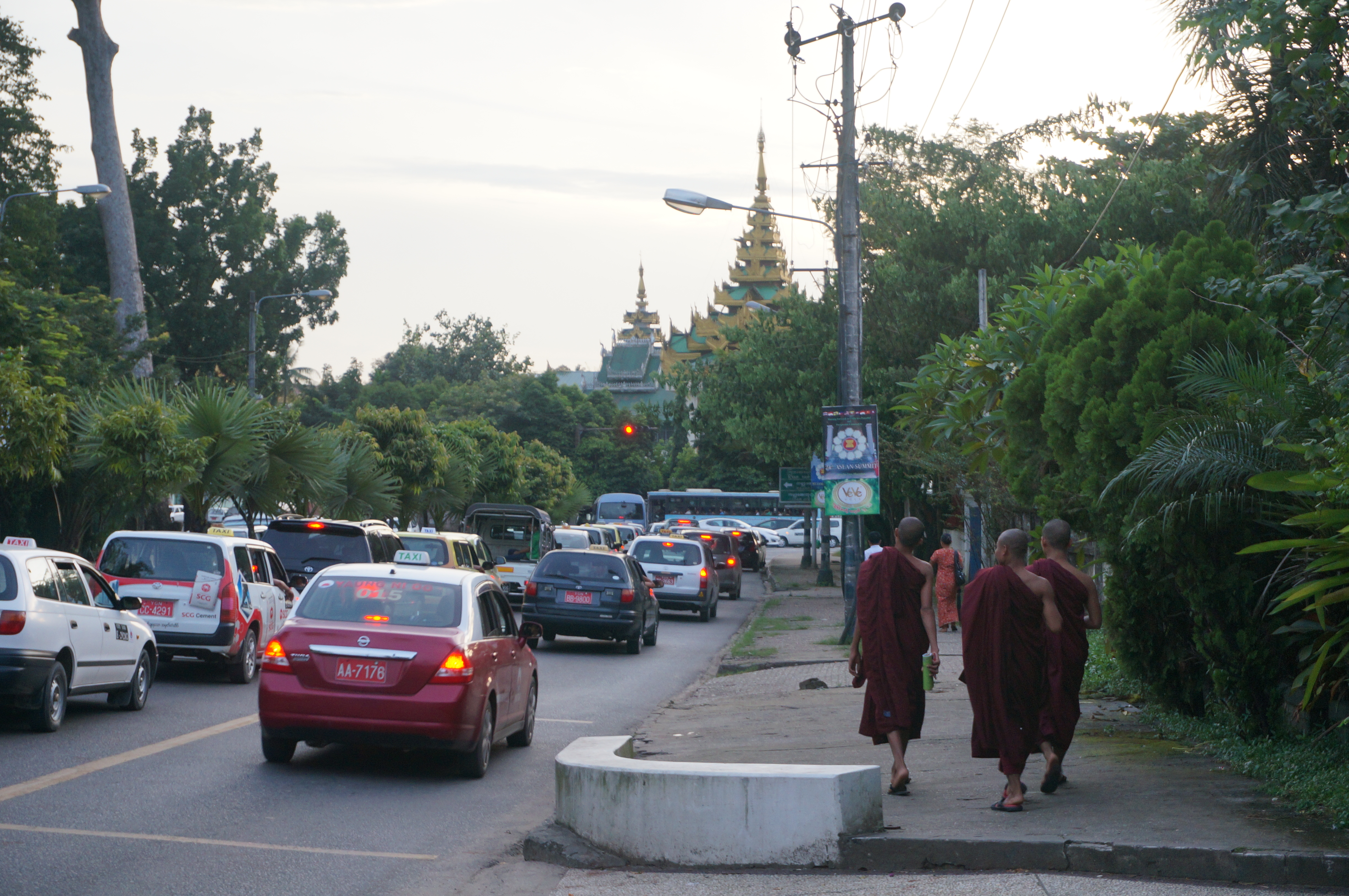
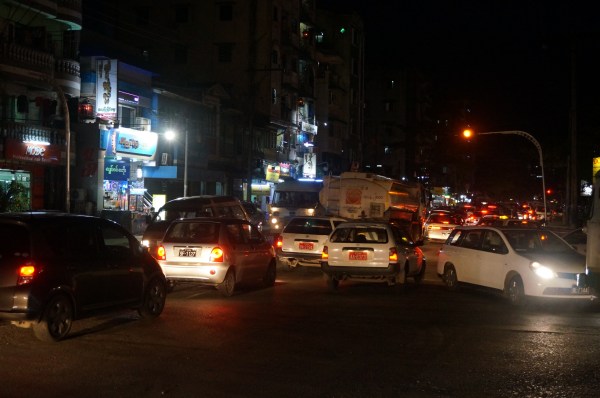
You can see that the traffic can get pretty intense. Apparently there used to be very few cars here but that there has been a huge increase as the country has opened up.

DSC08333

Here is one of the buses. Not sure I’ll be trying these out.

DSC08332

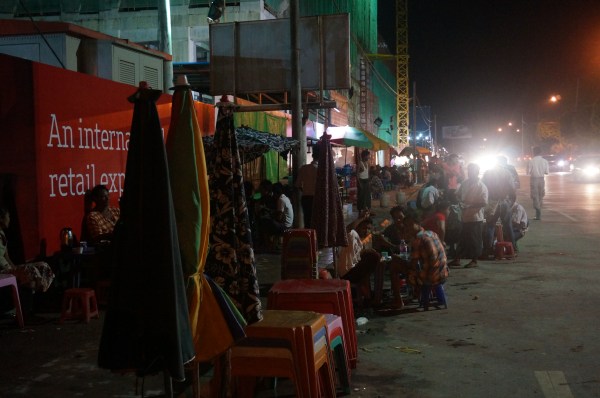
People hanging out on the street:

DSC08328

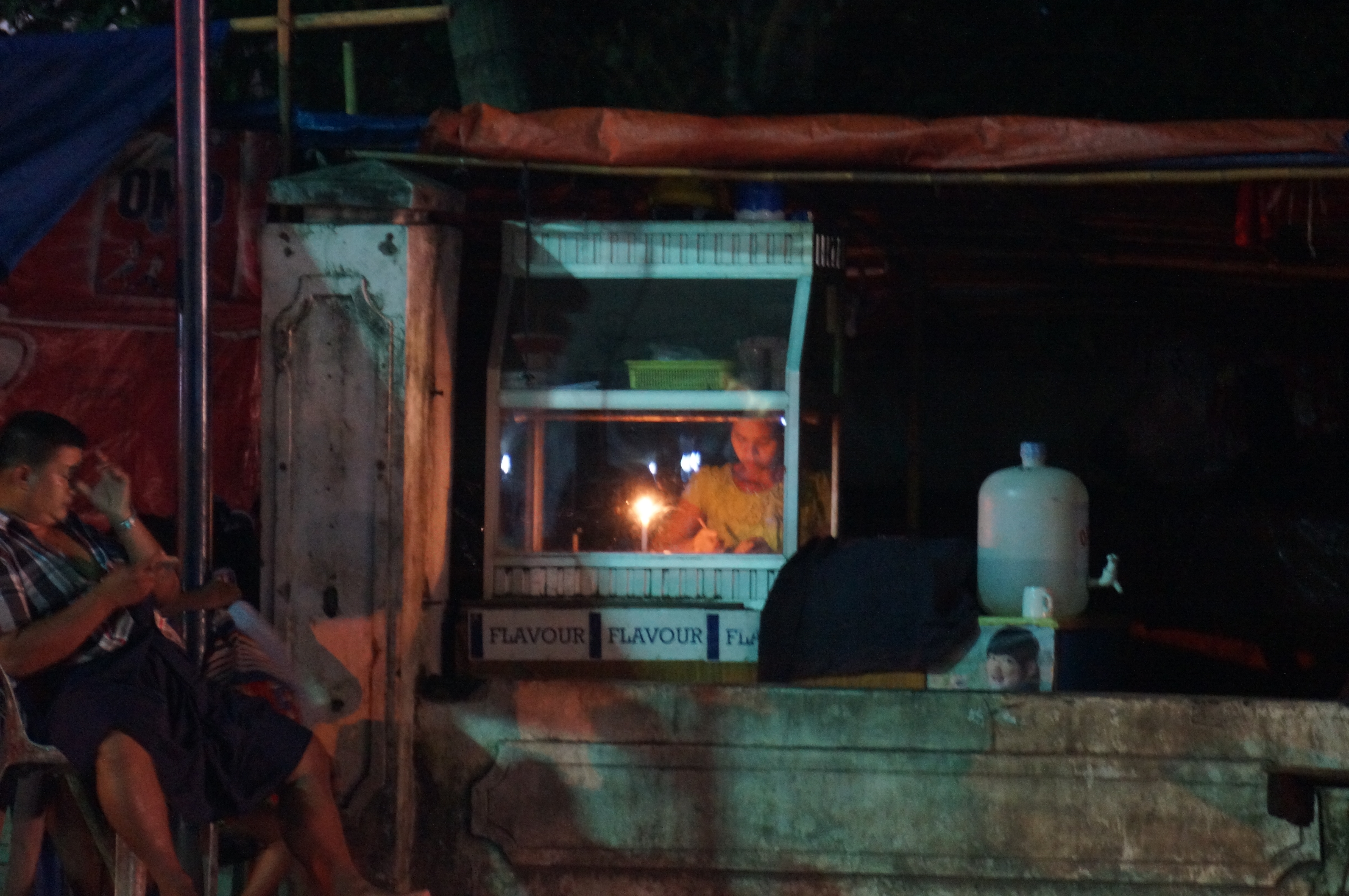
I was shocked to see someone in the city writing by candlelight.

DSC08324

This is the norm — something I’ve been told I will get used to. Fortunately it dries quickly in the heat!

DSC08329

Although I don’t start work until next Monday, I have started to drop by the office. For example, on the housing front, I have decided to engage with a local Burmese broker, someone who others have worked with but who does not speak English, so I had the receptionist translate for me.

DSC08330

DSC08331